Navigating Long-Term Care and Aging Parents in 2026
About the Guest(s):
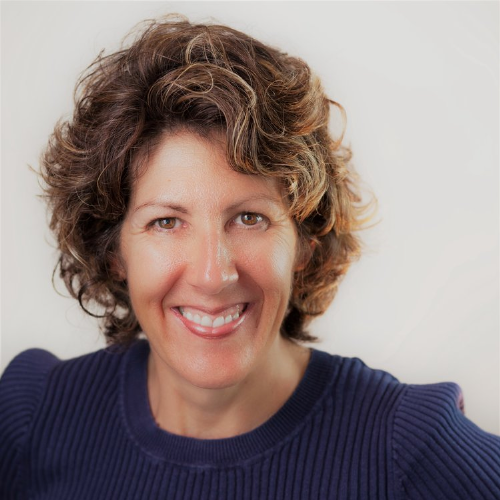
Amy Irvine is the CEO and founder of Rooted Planning Group, a renowned financial planning firm known for its genuine and practical approach to financial advice. With years of experience as a financial advisor, Amy is dedicated to making money conversations real and relatable, firmly rooted in her clients' goals. Her expertise in financial planning spans across various topics, including retirement and long-term care planning, caregiver coordination, and more. Additionally, she is the host of the popular "Money Roots" podcast, where she shares insights and engages in meaningful discussions about financial strategies and planning.
Episode Summary:
Welcome to an insightful episode of "Money Roots" with Amy Irvine. In this episode, Amy delves into the crucial topic of long-term care planning and aging parents, addressing the concerns and questions that often emerge during the holiday season. As families gather, many realize the evolving caregiving needs of their elderly parents, and Amy offers valuable guidance on planning for these eventualities.
Amy references the book "Hidden Truths about Retirement and Long Term Care" to shed light on the misconceptions surrounding long-term care, emphasizing that it spans far beyond nursing homes. She explores alternatives like aging in place and assisted living, highlighting the importance of having a solid financial plan to cover these options. Amy also discusses how aging individuals often downplay their needs, sharing anecdotes that illustrate this tendency. Through stories and statistics, she underscores the significance of addressing both physical and mental well-being as families navigate the complexities of caring for aging loved ones.
Key Takeaways:
- Long-term care is more than nursing homes: It includes a spectrum of services, from home health care to assisted living, aimed at maintaining an individual's independence and safety.
- Recognizing the signs of aging: Often the need for additional help becomes evident during family gatherings, making it essential to observe and address any caregiving requirements.
- Communication is key: Having open discussions with aging parents about their needs and introducing help, sometimes with outside assistance, can facilitate smoother transitions.
- Early planning eases future challenges: Documenting preferences and planning financially for long-term care can prevent future family disputes and emotional stress.
- Utilizing resources: Books, experts, and structured programs are available to guide families through caregiving decisions and planning.
Notable Quotes:
- "Long term care is more than nursing home." - Amy Irvine
- "Basically, the same age as maybe even older than some of the people that were in there, and she refers to them as the old people." - Amy Irvine
- "We need to be thinking about their physical strength and their mental strength." - Amy Irvine
- "She had such a great relationship with the caregiver that we ended up bringing in." - Amy Irvine
- "We need to bring in outside influences to help them." - Amy Irvine
Resources:
- Rooted Planning Group
- "Hidden Truths about Retirement and Long Term Care" - A recommended book for both financial advisors and individuals looking to understand long-term care planning.
- AgingInvestor.com - A helpful website for additional resources on aging and long-term care planning.
For more in-depth discussions and insights, be sure to listen to the full episode of "Money Roots." Stay tuned for future episodes featuring expert guests who will provide guidance on planning effectively for life's anticipated and unanticipated financial challenges.
Transcript
Foreign.
Speaker A:This is Money Roots, the podcast where Amy Irvine and her team keep Money Conversations real, relatable and rooted in your goals.
Speaker A:Let's grow together.
Speaker A:Happy New Year.
Speaker A:Amy Irvine here, CEO and founder of Rooted Planning Group and host of Money Roots.
Speaker A: zing first couple of weeks of: Speaker A:This particular podcast is a lead to the next podcast that I'm actually going to be recording.
Speaker A: going to be my Next guest in: Speaker A:It's interesting to me.
Speaker A:You know, people go home for the holidays, they know that there are some caregiving needs that are coming along.
Speaker A:This doesn't usually sneak up.
Speaker A:Occasionally it does, but it doesn't usually sneak up overnight.
Speaker A:And so the questions start to become more prevalent because everybody sees what's going on around the holidays.
Speaker A:And so today I thought I would reference some materials that I know are available by other authors and places that people might want to go to read some additional books on this particular topic.
Speaker A:But I thought I'd start with a book called Hidden Truths about Retirement and Long Term Care.
Speaker A:It's actually a financial advisor's guide, but it's interesting.
Speaker A:You can go to the website AgingInvestor.com one of the things that I find really interesting about this book, even though it's technically a guide for financial advisors, I think it can be extremely helpful for anybody if they want to read along with it.
Speaker A:But what always stands out to me in this particular book is that long term care is more than nursing home.
Speaker A:And that's how a lot of people tend to think of long term care.
Speaker A:They think mom and dad going into a nursing home or they think of themselves going into a nursing home.
Speaker A:But that's really not what long term care is.
Speaker A:Yes, it is that, but there is more leading up to it.
Speaker A:One of the quotes in the book that I like to reference is it says let's talk about kinds of long term care other than just nursing home.
Speaker A:In the minds of some financial planners, the concept of long term care seems to be limited to the cost of nursing home.
Speaker A:That is not where most people end up.
Speaker A:And there is a wide range of services that clients will probably want that do not involve the skilled care available in nursing home.
Speaker A:Well, I would say Almost no client wants.
Speaker A:I've never had a client say to me, I want to live in a nursing home.
Speaker A:That's never been words that have been mentioned to me as a financial planner.
Speaker A:In fact, it's more along the lines of, I either want to age in place at home or I'm willing to relocate to an assisted living or like a continuing retirement care community where as I age and need more care, those services are available to me.
Speaker A:But it can be as simple as just hiring people to come in and take care of things.
Speaker A:Things that could cause injuries, like somebody falling or off a ladder or slipping on ice.
Speaker A:Having a plan to pay for those kinds of things is really important.
Speaker A:And remaining at home and planning some of those costs out can be very helpful.
Speaker A:And often when people are starting to get to that age, they remove other expenses from their budget.
Speaker A:But that doesn't.
Speaker A:And by budget, I mean spending plan.
Speaker A:But that doesn't mean that that's the only thing that we're talking about.
Speaker A:You know, it is when you think about aging.
Speaker A:We're all aging.
Speaker A:We hope we all are aging, but there's a consequence or I guess an alternative to that.
Speaker A:And I don't think any of us truly want that.
Speaker A:But have you ever noticed when you're talking to people that are getting more mature in age, that they might make statements like, when I get old.
Speaker A:This is something that my husband and I still laugh about with his mom.
Speaker A:She was probably in her late 80s, and he took her to a hair appointment.
Speaker A:And she made the comment to him after leaving the hair appointment that there was a bunch of old people in there.
Speaker A:And that just made us laugh because here she is basically the same age as maybe even older than some of the people that were in there, and she refers them as the old people.
Speaker A:And, you know, we found that funny.
Speaker A:But we don't always feel as though we're age.
Speaker A:We don't always recognize what our age is.
Speaker A:So I think it's.
Speaker A:It's important when we're.
Speaker A:When that we understand that when we're talking to our parents, when we're talking to ourselves even, that we always think, when I get old.
Speaker A:And we never think, hush.
Speaker A:Maybe I am getting to that point where it's more challenging to do some of the things, and I should be hiring some of those.
Speaker A:I say dangerous, you know, tasks to be done by other people.
Speaker A:If it's your parents, boy, it can be.
Speaker A:And I realize it's so easy for me to say this, but I also speak from experience when I say that they can be resistant to receiving your assistance.
Speaker A:It's important to sit down and have those conversations.
Speaker A:And there are some good resources that are available for you to have conversations with them.
Speaker A:But having conversations around bringing people in and offering it as a gift can sometimes be helpful.
Speaker A:I know that there can be family meetings that can be conducted, and sometimes you need to bring outside assistance and to have those family meetings.
Speaker A:There's another good quote that's in that same book of hidden truths about retirement where they're talking about that very same thing.
Speaker A:So they're quoting an illustration of When I get Old.
Speaker A:This is an actual case involving a mother and her upset offspring.
Speaker A:The author heard from two sons about their aging mother repeatedly falling and staying and still living alone.
Speaker A:They were very worried about her.
Speaker A:They had tried to talk to her about getting some help at home with chores because she had stairs in her house.
Speaker A:She kept refusing.
Speaker A:They called asking for help in conducting a family meeting.
Speaker A:So they were agreeable to doing that and having them have a conversation.
Speaker A:They wanted to discuss her options to prevent serious injury, which involved various choices of care, home health care, assisted living, part time helper, all of those kinds of things.
Speaker A:So speaking with her on the phone at her son's request, this was the way that the conversation went.
Speaker A:And this is on page 19 of the book, if you happen to buy it.
Speaker A:It says, Mrs. Smith, your sons wanted to get together to sit down and have a conversation about what you can do to avoid falls at homes.
Speaker A:I told her they were concerned and wanted to help with the discussion.
Speaker A:She thought that sounded fine.
Speaker A:I told her what was involved and she said, Mrs. Ms. Rosenblatt, that sounds very good.
Speaker A:I'd be happy to do When I get old.
Speaker A:She was 93.
Speaker A:I'm not sure what old meant to her, but you see how she dealt with the suggestion to help when she didn't see herself as old.
Speaker A:And I see this all the time.
Speaker A:Like, this is something that I see very, very often.
Speaker A:So when I read that in the book, I thought, oh, this is exactly what, Like, I have to quote that when I'm recording this podcast because I feel like that's something that is very commonly said.
Speaker A:The book also gives some really interesting stuff, statistics.
Speaker A:It says over 5.5 million people are currently diagnosed with Alzheimer's.
Speaker A:So sort of thinking about other more advanced diagnosis that could cause harm at home.
Speaker A:5.5 million people are currently diagnosed with Alzheimer's disease in the US and it is likely that many more have the disease but have not been diagnosed.
Speaker A:One in nine people age 65 or older has Alzheimer's, one of nine people, while nearly one of three people at age 80.
Speaker A:So when we're thinking about our aging parents, we need to be thinking about their physical strength and their mental strength.
Speaker A:This is where I think it's, you know, what are the options that are available and how do we convince our parents that they need some kind of caregiving?
Speaker A:And what's really, really, really important here is that if you go through this, you have to also be thinking, all right, I'm going through this.
Speaker A:What do I want to document so that when my kids are in the same mindset for me that I have made some plans and will agree to certain aspects so that they aren't fighting in any, you know, having to fight me in any particular reason.
Speaker A:Because when adult caregivers have to come into play, there's, there's sometimes it, it's a lot of emotional component from both the parents and the adult caregiver.
Speaker A:And sometimes it causes financial impacts too.
Speaker A:It's, it's certainly challenging when, when a son is taking care of a mother or a mother is taking, or a daughter is taking care of a dad.
Speaker A:When you think of your parents and one respective and all of a sudden now you're baiting them and you're seeing things you can't unsee.
Speaker A:Right.
Speaker A:Let's just face it, it is both, it's emotional on both sides and it can cause strained within the family.
Speaker A:Especially if there's ever been any kind of personality challenges between family members, which is common.
Speaker A:You know, this is, this is something that is really hard.
Speaker A:And I bring this up because again, this often is something that, these are, these are things that are seen during the holidays because this is when families get together a lot more often.
Speaker A:Not that they aren't getting together other parts of the year, but right now tends to be a time full focus of gathering.
Speaker A:And so these questions and themes tend to come up when the holidays are around.
Speaker A:It is hard, I'm going to say that.
Speaker A:And it can be isolating for sure.
Speaker A:There can be risks involved with the caregiver.
Speaker A:There can be time constraints.
Speaker A:When the family members resist, we may need to bring in outside influences to help them.
Speaker A:I remember when my mother in law was getting to the point where we really needed to bring somebody in and she was super resistant to the idea.
Speaker A:I mean, super resistant.
Speaker A:But we ended up doing it anyway and she had such a great relationship with the caregiver that we ended up bringing in.
Speaker A:In fact, to the point of after.
Speaker A:I think the second visit.
Speaker A:Whenever Tasha would show up, she would get so excited to see her and to visit with her and, you know, changed almost overnight because we were lucky enough to get her and to pick the right person to provide her with some additional care.
Speaker A:But those are the things that are important to even be talking about and even trying to find outside care.
Speaker A:There are resources that I have available that I can share and will share in the future for coordinating that kind of care.
Speaker A:I've got a guest that's coming on later, I think in March that we're going to be talking about just that sort of thing kind of caregiving and managed care aspect of if you do end up being in a spousal caregiving relationship or a adult caring for a parent relationship.
Speaker A:The resources that we're going to talk about are really incredible.
Speaker A:And also with, with Annalee Krueger, we're going to be talking about some of that too.
Speaker A:She actually has a whole process that she can work on and put a family plan together as well.
Speaker A:So that those two podcasts are coming up later this year.
Speaker A:I hope that I've given you some food for thought.
Speaker A:We also, if you're interested, we have a checklist, I guess you want to say, of sorts that we will attach to the podcast notes on what issues you should consider if you are in that particular situation and you're caring for aging parents.
Speaker A:Happy New Year, everyone.
Speaker A:Again, we hope that you find this podcast helpful.
Speaker A:We'd love to hear what ideas you have and what type of topics you'd like me to cover, and especially what type of guests and expert you like to hear.
Speaker A:We have been doing this podcast so long that, you know, I'm trying to come up with some new topics and new ideas and we'd love to hear what's most important to you.
Speaker A:As I said, Happy New Year.
Speaker A:Thanks for listening to Money Roots.
Speaker A:Until next time, keep your finances grounded and your future growing.
Speaker A:Sam.