Navigating Aging Parent Care: Insights from Annalee Kruger
About the Guest(s):
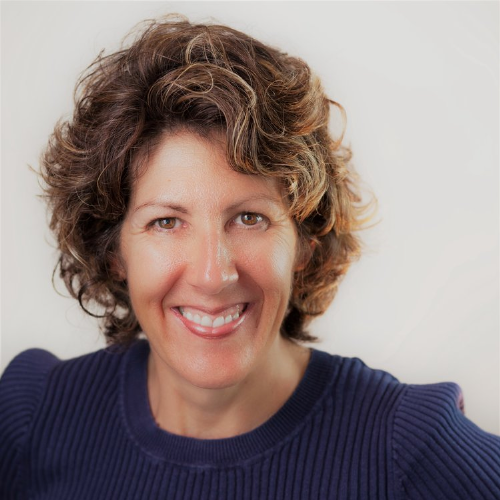
Annalee Kruger: Annalee Kruger is the president of CareRight Inc., an organization she founded to provide comprehensive planning and concierge consulting services for families with aging loved ones. With a career spanning over three decades, Annalee is a seasoned social worker with experience in working in Continuing Care Retirement Communities (CCRCs). She has authored "The Invisible Patient," a book focusing on the emotional, financial, and physical toll on family caregivers. Annalee’s extensive expertise helps families develop proactive aging plans to avoid crises and maintain healthy relationships.
Episode Summary:
In this insightful episode of Money Roots, host Amy Irvine welcomes Annalee Kruger to delve into the crucial topic of planning and caring for aging loved ones. The discussion centers on the complex challenges faced by families and caregivers in navigating the often confusing landscape of senior care. Annalee shares her expertise developed over decades in social work and aged care management, which she has now channeled into her role at CareRight Inc. Listeners will gain invaluable insight into the often misunderstood needs of elderly parents and the pressures faced by members of the "sandwich generation" caught between raising their children and caring for aging parents.
Annalee emphasizes the importance of proactive aging plans, detailing how her company uses comprehensive care matrices to aid families in making well-informed decisions. From understanding the implications of Medicare and Medicaid to choosing the right care community, Annalee underscores the significance of planning to avoid detrimental mistakes. She also touches on the emotional strain caregivers endure and provides strategies for balancing responsibilities while maintaining their well-being. Throughout the discussion, the need for effective family meetings facilitated by a neutral party is highlighted as a critical component in achieving harmonious care planning.
Key Takeaways:
- Having a proactive aging plan can prevent crises and improve outcomes for families and their senior members.
- A comprehensive care matrix can save families time and money by identifying suitable care communities and necessary medical resources in advance.
- The role of the family caregiver often introduces emotional, physical, and financial burdens that necessitate external support and recognition.
- Effective family meetings led by a neutral third party, like Annalee, can help in bridging the gap between aging parents and their adult children, fostering better aging decisions.
- The Guide Program introduced by Medicare offers additional support, though limited, for families with loved ones diagnosed with Alzheimer's or dementia.
Notable Quotes:
- "If I could catch these families in the infancy stages [of crises], it's so much better for them."
- "They don't know what they don't know, and that's why they make incredibly outrageously expensive mistakes."
- "No parent at the end of their life is like, 'Wow, I'm so glad I put my kids through the ringer.'"
- "If this is interesting to those listening, reach out... Is it important for you to have a say in what happens to you as you age?"
- "Put a plan together so that we prevent that from happening."
Resources:
- Annalee Kruger’s LinkedIn: Follow Annalee for ongoing insights into senior care. (No URL provided)
- CareRight Inc.: Learn more about Annalee’s services for families with aging loved ones. Visit their website at CareRight Inc.
- The Invisible Patient: Annalee's book is available on Amazon and Audible for those looking to understand the caregiver's perspective.
Listen to the full episode to explore more about navigating the complexities of caring for aging parents, gaining invaluable strategies to ease the caregiving journey, and planning ahead for potential healthcare needs. Stay tuned for more engaging content from Money Roots to keep your finances grounded and your future growing.
Transcript
Foreign.
Speaker B:Listeners.
Speaker B:So excited to bring you today's guest to Money Roots over the holidays.
Speaker B:As my last podcast mentioned, we hear well post holidays, I should say we hear a lot from clients that are in that sandwich generation or have aging parents that mom and dad maybe need a little bit more attention care and maybe start thinking, thinking about that.
Speaker B:So today's guest is Annalee Krueger.
Speaker B:And Annalee is somebody who has dedicated and devoted her entire career to seniors and their families.
Speaker B:She's the president of Karright Inc. And she and her team provide, I would say, concierge, age planning, consulting and coaching services to families with aging loved ones across the nation by leveraging technology and working with the financial planners to help clients and their families.
Speaker B:To help clients with this, Care Rite develops, implements and oversees a customized plan while offering support and guidance to the entire family unit.
Speaker B:And one of the challenges that we often find is that where do I go?
Speaker B:Who do I talk to?
Speaker B:What are the services that are available?
Speaker B:Karaite also offers online caregiving self care, 21 day challenge challenges, virtual caregiver master classes, and virtual inner circles for families to learn how to develop their aging plan.
Speaker B:Just so you know, Carrie also launched the Care Crusade, which is a national campaign to improve healthcare outcomes for all.
Speaker B:I think you're going to absolutely love this podcast.
Speaker B:I know I always enjoy working with Annalee and her team when we need it for our clients.
Speaker B:She also is the of a book called the Invisible Patient.
Speaker B:We will put the link in the show notes to this book that's available through Audible I think, as well as through Amazon.
Speaker B:And the Invisible Patient is mostly written for caretakers.
Speaker B:So the book is meant to teach caretakers how to approach and appreciate being a caretaker, which can be both challenging and very rewarding.
Speaker B:So dial in and we hope you enjoy this podcast.
Speaker B:We know it's a little bit longer than normal.
Speaker B:We thought about breaking it up into two sessions, but I just couldn't figure out where to do that.
Speaker B:So we hope you enjoy this longer version of the podcast.
Speaker B:Thanks everyone.
Speaker B:Well, Annalee, welcome to the show.
Speaker B:I'm so thankful that you were able to take time out of your busy schedule and be with us today.
Speaker B:As I mentioned in the intro, you have a extremely special skill, I guess I want to say that has been formed over a period of time and out of a necessity because of your own family's needs.
Speaker B:So for those of you that are listening again, in the intro I mentioned that Annalee has a practice that helps put together a plan for parents that are aging for like arranging some caregiving ideas, working together.
Speaker B:Collaborating, I think is the term that I use in a way that as a financial planner, I don't have the capacity to do.
Speaker B:I have the overall general knowledge, but I.
Speaker B:The amount of time when you're starting to dig into some of these things that we're going to talk about today, I just don't even have the time capacity or the talent to be honest.
Speaker A:Yeah.
Speaker B:That Annalee does.
Speaker B:So with that being said, I would love to.
Speaker B:I'd love it if you could take just a few minutes and share a little bit about your journey, because I've teased them with this idea that this isn't just something that you said, oh, I think I'm gonna do this.
Speaker A:It's.
Speaker B:It was actually something that you had to do for your family.
Speaker B:So maybe share a little bit there.
Speaker A:Sure, sure.
Speaker A:So.
Speaker A:So my grandparents, so in the 70s, which is when I was born, we didn't have all this home care and independent living and there weren't services like that.
Speaker A:So.
Speaker A:So our grandparents moved in and lived with us on the farm when I was growing up.
Speaker A:And so back then in the 70s, seniors options were stay at home, fail and die at home, move in with their kids, which is what most of them did, or move into a nursing home, which no one wants to do.
Speaker A:And still to this day, nobody wants to do that.
Speaker A:So from a childhood on, I was just exposed to aging and family caregiving.
Speaker A:And as farmers, we pitch in for the greater good of the family.
Speaker A:And so we were all actively involved in taking care of our aging relatives.
Speaker A:And so it just stuck with me.
Speaker A:I knew when I was in third grade, I was like, wow, I am going to be in some way taking care of seniors now.
Speaker A:I don't have the stomach to be a nurse.
Speaker A:So I went into social work.
Speaker A:I know my strengths.
Speaker A:So I went into social work and that's where I've stayed.
Speaker A:I became a social worker in ccrcs, continuing care retirement communities that have all of the different levels of care.
Speaker A:When those first came out in the 90s back then, one person managed the entire campus because they were new.
Speaker A:And so it was taking a while for them to fill up and stuff like that.
Speaker A:But the beautiful piece of working in the CCRC setting, the continuing care retirement community setting, is that I learned everything about all of the care levels.
Speaker A:Independent living, assisted living, memory care, what does Medicare pay for, what is Medicaid or long term, you know.
Speaker A:And so the challenge was though, that every day I had adult kids in my office, office because mom had a stroke.
Speaker A:She's the primary caregiver to dad with Alzheimer's.
Speaker A:Mom had a stroke.
Speaker A:Hospital says, here's a list of facilities.
Speaker A:Go find one by noon tomorrow.
Speaker A:Because that's exactly how that goes.
Speaker A:And the adult kids were just blindsided because, first of all, their lives got disrupted suddenly from the stroke and in there, you know, back then in the, in the 90s, when I was starting out as a social worker, families lived near each other.
Speaker A:So there was a little bit more in Tunis to what's going on at home with the parents, but.
Speaker A:But not as much as you would think.
Speaker A:And so the kids were like, wow.
Speaker A:We didn't realize dad was so demented.
Speaker A:Mom really kept a lot from us.
Speaker A:And no wonder she had a stroke, because he's got his days and nights mixed up.
Speaker A:He's wandering around, he's combative, all of that kind of stuff.
Speaker A:And so, so that's what, that's what, that's really what got me started is working with family caregivers, helping them understand what questions to ask, what to look for if they're doing tours of these different care communities.
Speaker A:But these families didn't understand the difference between Medicare, Medicaid, assisted living and nursing home.
Speaker A:They didn't understand, how can dad behave that way?
Speaker A:Why.
Speaker A:Why can't he remember to take his pills?
Speaker A:He used to be a bank president.
Speaker A:How come he can't, like, manage on his own?
Speaker A:You know, so there's just a lot of misinformation and denial about dementia.
Speaker A:And then when I would ask the kids, well, what do your parents have in order?
Speaker A:Living will, power of attorney, VA benefits, end of life wishes, Are they a full code, do not resuscitate?
Speaker A:They're like, we, we have no idea.
Speaker B:We.
Speaker A:We never thought to start these conversations.
Speaker A:But then, Amy, there was like this many, like, 2%, like a teeny tiny percent of family care families who would say, you know, Annalee, we saw the writing on the wall with mom and dad, you know, that they're not doing well.
Speaker A:And we tried to get this kind of information from them, like, what.
Speaker A:What are your goals as you age?
Speaker A:What do you have in place?
Speaker A:What's your financial status?
Speaker A:Who's your financial advisor?
Speaker A:But the parents gave them so much pushback that they quit trying because it was hard.
Speaker A:It was hard on the relationship.
Speaker B:Yeah.
Speaker B:And that's tough, right?
Speaker B:I mean, because when you.
Speaker B:I, I affect.
Speaker B:Affectionately call it raising parents.
Speaker B:Yes.
Speaker B:Yeah.
Speaker B:When the roles have reversed a bit and now the adult child is having to make sure that the Doctor's orders are followed, that the doctor's appointments are attended, that nutrition is sufficient, that, you know, there, there isn't capacity issues and there's not financial issues taking place.
Speaker B:Like, it's, it's that reverse role and, and there's sort of this in between, in my experience, and you can tell me more than probably others, but in my experience in working with clients and in my own situation, there's this gap of time where there's this friction takes place.
Speaker B:Right.
Speaker A:Where.
Speaker B:They aren't willing to give up that.
Speaker B:Some of that independence.
Speaker B:Yeah.
Speaker B:They think, they think they can handle or they just don't want to give it up.
Speaker B:And, and during that gap, and then there becomes a point in time where they don't want to do any of it anymore.
Speaker B:Like there's, you know, but it's that gap of time that is often frustrating because in my experience, there's actually a cry for help that's happening, but they won't actually let go.
Speaker B:Right, Right.
Speaker B:So it is, it does.
Speaker B:You said it affects the relationship.
Speaker B:And so what do I do if it's affecting my relationship?
Speaker B:You sort of just stand back, Right?
Speaker B:Most people do well.
Speaker A:Yeah.
Speaker A:And the sad, the sad thing is for the, for that cohort of adult kids who see the writing on the wall and try to have these, you know, what, whens of aging conversations to try to stay ahead of the next crisis, you know, the next fall, the next urinary tract infection, the next scam of $400,000.
Speaker A:It's usually something terrible and tragic, like a fall, a urinary, you know, something tragic happened that the kids are like, okay, now we, we need to have this information.
Speaker A:But if mom and dad still give pushback, that's, that's why when adult kids or families try to facilitate their own family meetings, they're rarely successful because you've got that friction, that push and pull of, well, what do you know?
Speaker A:You're my daughter and I am the leader of the house.
Speaker A:And, you know, that's why you really.
Speaker A:That's why we're so too is we're neutral.
Speaker A:I'm a neutral third party family meeting facilitator.
Speaker A:And unfortunately, because 92% of our families are onboarded in crisis mode, 85% of those families I'm doing mediation with because they simply, they simply, by the time they come to us or get referred to us, because I don't advertise, so by the time they find us or get referred to us, those relationships have so many wedges and cracks in them.
Speaker A:Whereas if I could have started with that family at the infancy stage of the conflict, where they're scratching their heads going, gosh, you know, mom doesn't seem herself, or when they start seeing the red flags, but they don't address those right away, or they don't know how to address them right away.
Speaker A:If I could catch these families in the infancy stages, it's so much better for them, you know, when I, When I have.
Speaker A:If you could do a cost, you know, a comparison of families who are proactive.
Speaker A:When I'm doing their family meeting, there's joy, there's laughter, there's giggling, there's joking.
Speaker A:But when families wait until they're in crisis, there is none of that, like, it is tense, there's tears, there's accusations of, I told you guys that mom wasn't doing well, and you never listened.
Speaker A:And now here we are, mom had a stroke, and what do we do with dad?
Speaker B:You know, yeah, that tent.
Speaker B:That level of tension is really.
Speaker B:And that's hard between families that are really close to.
Speaker B:I mean, when they've, you know, been close all their lives.
Speaker B:And then this event happens around their parents, and it's just, you know, it's pulling the families apart so significantly, you can sense it in the room.
Speaker B:And so they're dealing with that emotion of, right, this is foreign to me.
Speaker B:We've always got all gotten along to now.
Speaker B:Now there's conflict, even among the siblings, and we all see what's going on.
Speaker B:But there's this.
Speaker B:Everybody, it's.
Speaker B:Everybody's handling it differently.
Speaker B:With your background in social work, you know, the right ways to sort of de.
Speaker B:Escalate those situations where if family members try to do it with themselves, it just escalates the situation worse.
Speaker A:It makes it worse, you know, and.
Speaker A:And the, the reality is too, that you can't expect people to make informed decisions when they're so completely misinformed.
Speaker A:Like, well, if Dad's dementia gets worse, well, of course it's going to get worse.
Speaker A:It's a progressive, chronic disease, you know, but that's what I'm saying is you can't expect family members to, like, navigate their own family meeting when they don't even know what does.
Speaker A:How this disease is going to unfold.
Speaker A:Because the denial, or they haven't done any research or whatever, or, you know, you know, the.
Speaker A:They don't understand how expensive care is, and they're like, well, we don't need to put a plan together because Medicare or Medicaid will pay for everything.
Speaker A:And I'm like, no, it does not.
Speaker A:So there's so much mis.
Speaker A:There's so many assumptions out there that families, you know, they don't know what they don't know.
Speaker A:And so they make incredibly outrageously expensive mistakes all the way around, not only financially, but by the time when they disrupt their parents living arrangements to move them into a care community, for example, but they don't know what they don't know.
Speaker A:And so they're like, oh, we didn't realize that this is a private pay only care community.
Speaker A:And now we've got that discharge charged letter that mom needs to move out because she can't stay here because she doesn't have any more money.
Speaker A:Or they didn't think that, oh, dad's dementia is going to get worse and so they put him in a standalone assisted living.
Speaker A:There's no memory care.
Speaker A:So now he has to be disrupted again to move into an actual memory care.
Speaker A:Now you've got mom in one community and dad in a different facility and they don't get to see each other.
Speaker A:So families make a lot of terrible, terrible mistakes that they just don't know what they don't know.
Speaker A:And that's why, that's why I do what I do so that we prevent that from happening.
Speaker B:Yeah.
Speaker B:And if I remember correctly, didn't you have a situation during COVID that prompted you to even more release this to like reach out, to start training like financial advisors to be watching for some of us?
Speaker A: raining Financial Advisors in: Speaker B: Oh,: Speaker A:When I started care.
Speaker A:Right?
Speaker A:Yeah.
Speaker A: When I started CareWrite in: Speaker A:Who's also working with a population of people with an intellect of planning ahead?
Speaker A:I was like, oh, financial advisors.
Speaker A: he time, for many years, from: Speaker A:None of our clients are missing work.
Speaker A:None of our clients.
Speaker A:I was like, wow, you are woefully out of touch with reality, with what's going on with the families that you're working with.
Speaker A:But during COVID what, what trigger some additional, you know, my services have always been the same, you know, because I know what families need because I worked in, I saw it for almost three decades before I started my own consultancy.
Speaker A: d of life consultancy back in: Speaker A:Kids don't live near their parents and they don't live there their siblings.
Speaker A:So the only way I could facilitate their family meetings and help them understand aging and put an aging plan in place was to leverage Skype, because that's what we had.
Speaker B:Yeah.
Speaker A:But the second caveat to that was my mom had early onset dementia.
Speaker A:She had mild cognitive impairment from vascular, a vascular disease from like little brain strokes.
Speaker A:And so, you know, I had been driving from Milwaukee to Iowa on the weekends, and that's a five and a half hour drive one way.
Speaker A:And it just, it wasn't sustainable.
Speaker A:And I quickly found myself as one of my typical clients going, oh my gosh, what, how am I going to do this?
Speaker A:Like, you know, and so then what happened during COVID by, you know, then I had moved to Florida and my parents came here to stay with me.
Speaker B:Okay.
Speaker A:And they, they had planned on just coming to stay for the winter, but then Covid hit and my mom fell.
Speaker A:This is where it got dicey, right?
Speaker A:Because my parents were just coming down for the winters, which is what they had been doing for the last several years, and they, they came down in like November.
Speaker A:And my mom fell two weeks after she got, after they got here and she was in the hospital and now the hospital and the night that she got discharged from the hospital to the rehab unit was like 7 o' clock at night, which is not uncommon.
Speaker A:Like these, these hospitals will discharge a 90 year old at 3 in the morning.
Speaker A:I mean, it's, it's horribly inhumane to do what they do to these seniors or what healthcare does to these seniors.
Speaker A:And so the night that we were getting mom situated into the rehab unit, I looked over to my dad and I'm like.
Speaker A:Because it was around Christmas time and I'm like, well, here's a list of stuff we need to bring in for mom's room because she's clearly going to be here, you know, during Christmas.
Speaker A:And he wasn't taking the list.
Speaker A:And so I looked over and he was having a stroke.
Speaker A:He was unresponsive.
Speaker A:He was unresponsive.
Speaker A:And I'm just like, oh my gosh.
Speaker A:And then just at that very moment, the nurse knocks on the door and barges in and she's like, you, you need to leave because we're here to do your mom's skin assessment.
Speaker A:I'm like, my dad is unresponsive.
Speaker A:And they're like, it doesn't matter.
Speaker A:You Guys need to get out of here because we need to do your mom's skin assessment.
Speaker A:This is kind of where senior care is at in this day and age, unfortunately.
Speaker A:That's why we do so much advocacy for our clients.
Speaker A:And they wouldn't help me get them into a wheelchair.
Speaker A:My.
Speaker A:I mean, I'm 5 11.
Speaker A:I take after my dad, but he's 6 4, and he's.
Speaker A:He's unresponsive.
Speaker A:So I'm trying to transfer him from a chair to a wheelchair and get him all the way to the front of the building because I had to meet the paramedics.
Speaker A:Right.
Speaker A:And I mean, it was just.
Speaker A:It was a disaster.
Speaker A:And this is what families go through all of the time in our healthcare industry.
Speaker A:And it's pathetic, and it's inexcusable and it's deplorable.
Speaker A:And so.
Speaker A:So that's.
Speaker A:We have always provided care advocacy for families, but when you also go through it personally to see how families are treated by the people who should be taking care of them, it's.
Speaker A:It's deplorable.
Speaker B:Yeah.
Speaker A:And so that advocacy is critical.
Speaker B:Yeah.
Speaker B:And I think I shared with you, you know, I've seen it like, you know, my in laws have gone through some health events.
Speaker B:They both passed away, but my husband and I were there for both of them.
Speaker B:And, you know, my parents are starting to age and so some frustration with the medical system right now as well.
Speaker B:And it's amazing to.
Speaker B:And this is a story that I hear over and over and over again.
Speaker B:You know, right.
Speaker B:When.
Speaker B:When.
Speaker B:When our clients are in their 50s, they're having parents that have aging issues and.
Speaker B:And so, like, you know, trying to figure out.
Speaker B:And.
Speaker B:And you used to be able to get some information from, like, some of the local officer.
Speaker B:The agings.
Speaker B:And, you know, some of the.
Speaker B:But they've.
Speaker B:All their budgets have been cut, so.
Speaker A:Their budgets have been cut, and they're woefully understaffed since COVID Yeah.
Speaker B:Yeah.
Speaker A:So, you know, there's.
Speaker A:And they.
Speaker A:They.
Speaker A:They're just not equipped to handle the volume.
Speaker A: what I wrote my thesis on in: Speaker A:I mean, I've been screaming this from the mountaintops for decades.
Speaker A:Like, we have an aging nation.
Speaker A:We have dementia is not going away.
Speaker A:Family caregivers are providing the bulk of caregiving to aging parents or vulnerable adults or sick spouses, or.
Speaker A:It's really only when they are so utterly burned out or sick themselves that that's when they kind of cry uncle and be like, okay, I can't do this anymore.
Speaker A:We need to get a professional caregiver in here.
Speaker A:But then you know, the cost of that for a, for one companion to live or not to live, but to, you know, 247 care with your loved one at home, that's anywhere from 30 to 40 thousand dollars per month minimum.
Speaker A:And then you need to have a geriatric care manager to coordinate doctor's appointments, you know, manage medications, all of that, because otherwise the adult kids are doing that too.
Speaker A:And that's a full time job.
Speaker A:Because those companies, you have to reach out during their business hours.
Speaker A:If you work, you can't be like, hey Mr. Boss, I need to step away for four hours because I have to coordinate doctor's appointments and talk to the insurance companies, you know, and so.
Speaker B:So families and coordination, right?
Speaker B:Even the coordination care isn't there anymore, right.
Speaker B:So correct used to be that the primary care physician would help coordinate some of that.
Speaker B:And that is not true anymore.
Speaker B:Like that's not the case.
Speaker B:And I've seen that firsthand where you know, a family member has asked questions about the medications they're on and the primary care doctor will say, oh, you need to ask your cardiologist and then, and then you need to ask your pulmonologist and then you need to ask like, you know, whatever the specialist is, like the general practitioner doctor will not answer those questions.
Speaker A:Related.
Speaker B:They just don't have the time.
Speaker B:They're so overwhelmed as it is.
Speaker B:But, but they're the ones that I always thought that's who provides like the coordination of care.
Speaker B:But that's not what's happening.
Speaker A:So, and here's, here's, here's the other problem with, with health and if, if you're on LinkedIn with me under Annalee, Annalee Krueger on LinkedIn, I post about this stuff all the time because it's a real thorn in my side is, is because healthcare is corporate healthcare, right?
Speaker A:It's insurance driven.
Speaker A:It's corporate.
Speaker A:So it's all about get people in, get them out.
Speaker A:So that's why when you have a corporate healthcare physician, you might get five to seven minutes tops with the doctor.
Speaker A:They look you up and down.
Speaker A:You look good.
Speaker A:Martha, everything going okay?
Speaker A:Sleeping all right.
Speaker A:Okay, good, boom, onto the next patient.
Speaker A:I mean these physicians, these clinics are so heavily timed.
Speaker A:Like they time, like how, how long do they have people waiting in the waiting room?
Speaker A:How long?
Speaker A:I mean they are under such pressure to just get people.
Speaker A:And it's all about volume.
Speaker A:My own physician before I went to a concierge doctor and we'll talk about that next.
Speaker A:You know, my own physician, she told me she has 3,000 patients.
Speaker A:You know, so.
Speaker A:And then she.
Speaker A:So she sees patients all day, and then she spends all night on my chart trying to follow up with as many that she can, because the nurse can only follow up with so many of them.
Speaker A:Some of them you need to actually have a doctor.
Speaker A:And so she's like, oh, my gosh.
Speaker A:And so she did what a lot of physicians do.
Speaker A:They didn't go into medicine to be in that type of rat race.
Speaker A:They went in, most of them, to actually serve patients and be able to actually use their own judgment and critical thinking skills and diagnostic skills.
Speaker B:Yeah.
Speaker A:To be able to treat patients instead of.
Speaker A:Oh, insurance denied it.
Speaker A:That's why so many of so many physicians are leaving corporate health care to go into concierge medicine.
Speaker A:And I can tell you, you know, big difference, because I did the same thing because I. I can't.
Speaker A:I can't be down for the count.
Speaker A:So I can't wait to days or weeks to get into my physician.
Speaker A:I need, like, virtual help now if I have a sore throat, because I make my money off of, you know.
Speaker B:Right, right.
Speaker A:Salty.
Speaker A:So.
Speaker A:So a lot of people who switch to maybe a concierge style physician, that's.
Speaker A:That's.
Speaker A:That is where you can get that better care coordination from.
Speaker A:From that.
Speaker A:And you're paying for it, so you should get that.
Speaker A:But that's where you get more of that high touch.
Speaker A:Better.
Speaker B:Better coordination.
Speaker B:Yeah, yeah.
Speaker B:And you actually wrote.
Speaker B:You actually have written a book too.
Speaker A:Correct.
Speaker B:And.
Speaker B:And that's a little bit more focused on the caregiver side.
Speaker A:Focused on the caregiver.
Speaker A:Okay.
Speaker B:I said a little.
Speaker A:You're right.
Speaker A:On the caregiver, because it is called the invisible patient.
Speaker B:Right.
Speaker A:The emotional, financial, and physical toll on the family caregiver.
Speaker A:Because everyone always, you know, I became my own, my typical client.
Speaker A:I was in crisis when mom fell.
Speaker A:And hospitals are not trained and in dementia care.
Speaker A:And so if dad or I wasn't with mom literally every waking moment, she was not going to get taken care of, or she would have got up and fall.
Speaker A:And so, you know, everybody's always like, hey, how's your mom?
Speaker A:Or how's your dad?
Speaker A:And I'm always like, they're fine, but it's to my detriment.
Speaker A:Right.
Speaker A:You got to step away from your business.
Speaker A:You got to, you know, miss important meetings or, you know, got to travel to and from.
Speaker A:To, like, for those rescue Missions and so usually families, because they'll say, annalee, you're the first person who's even asked us how we're doing as a caregiver.
Speaker A:And I've worked with over 20,000 families across the country in my 30 plus year career.
Speaker A:And for them to still say that to this day, that I'm the only person to ask, how are you holding up?
Speaker A:Then let's talk about mom and dad.
Speaker A:But let's first start with you because a caregiver is the glue holding everything together.
Speaker A:They're the ones bending over backwards to make sure their loved one has everything that they need.
Speaker A:But there's an emotional toll.
Speaker A:Anxiety, depression, insomnia.
Speaker B:Absolutely.
Speaker B:Worry.
Speaker B:Yeah.
Speaker A:There's a physical toll.
Speaker A:Heart problems, you know, getting hurt, trying to take care of someone who's 6 foot 4, you know, and then the financial toll of having to step business or all these Emergency flights aren't 69 on Frontier.
Speaker A: ,: Speaker B:Yeah.
Speaker B:So, yeah.
Speaker B:And there's an additional cost that a lot of people don't talk about too, that is perceived performance cost.
Speaker B:Right.
Speaker B:So when you are that caregiver and you are stepping away from your job frequently to take care of these things, whether or not you are keeping up with performance, I mean, even if you have the available time and you're keeping up performance wise, it is a perceived performance and you may be doing your job.
Speaker B:But I will say I have seen it time and time and time again where clients are not getting the raises that their peers are.
Speaker B:They're not getting promotions like their peers are.
Speaker B:You know, ever admit that that's intentional?
Speaker B:But I have seen, seen it so many times the impact that that, that takes on.
Speaker B:I, I did a, I think it was several years ago I did a podcast on this where I actually sat down and did the math about what does it mean to be a caregiver even if you're still working.
Speaker B:But maybe you have to go part time or what if you have to go, you know, take a leave of absence and go full time to caregiving for a little while.
Speaker B:Even if you have the job to go back to, you've missed out on potential pay raises during that period of time.
Speaker B:If you take fmla, like any of those kinds of things.
Speaker B:So there's, there's that component too that a lot of people don't think about.
Speaker B:And I've heard people say, oh, my employer's being great about it, they're, you know, they're, they're letting me deal with all of this.
Speaker B:And, and I'll, I'll say, well, let's talk about that just a little bit because have you missed out any out in, on any promotions?
Speaker B:Have you missed out on any significant raises?
Speaker B:What's the communication that's taking place with you and your employer?
Speaker B:Because you may feel that they're being incredible and in supportive.
Speaker B:But I have a fear, because I've seen it happen, that this might be going on behind the scenes, you know, and I'm not trying to start trouble at all.
Speaker B:That's not what.
Speaker B:But I just, people aren't recognizing, they aren't recognizing it.
Speaker A:And employers like, because I've been in this, you know, I've been doing this for over three decades.
Speaker A:Employers, three decades ago, in my experience, in my opinion, were much more family oriented than they are today.
Speaker A:And so now if you're, if you're the daughter and you're a realtor and you're not there showing houses, you're not selling anything, if your production, if you're in sales and you're not selling because dad had a stroke or mom's, you know, everything falls apart.
Speaker A:Right?
Speaker A:And so people, people, I talk to families literally every day who are worried about losing their job or their business has been incredibly impacted because they're like, look, I, I'm trying to grow a business or scale a business, you know, and I can't just keep stepping away because of mom and dad's needs or a sick spouse.
Speaker A:And we absolutely know that a lot of our family caregivers, they are not taking the job promotion that they're offered because they can't add one more responsibility to their plate or if the job, job promotion is okay, that's great.
Speaker A:You're, you're going to be flying all over and traveling.
Speaker A:You're like, I can't.
Speaker A:I have to be available for dad because he's the caregiver to mom, you know, and so, so there is a major impact.
Speaker A:And since we're talking about that kind of stage of life too, let's talk about the real thing of women.
Speaker B:Yeah.
Speaker B:The statistics behind that.
Speaker A:By the time they get their careers back on track from, you know, taking time off for, you know, little kids or whatever, and by the time they start getting traction again in their career, then that's when dad has a stroke or, you know, you're going through perimenopause and your whole body is doing weird, weird things and you're not sleeping and you're getting feisty and you're like, wow, what's going on?
Speaker A:I'm like, not normally like that.
Speaker A:And.
Speaker A:And then you got the stress of caregiving.
Speaker A:Like it's a hard time in life because you also have your own kids potentially, or possibly that you're trying, you're just trying to be superwoman.
Speaker A:And I'm here to tell you, for those that are listening to this, we aren't super women.
Speaker A:We are doing everything that we can, but we cannot, we cannot keep neglecting our own needs and our own wishes and our own health.
Speaker A:Because when you get burned out and your adrenal levels, everything is out of whack.
Speaker A:It can take years for your body to get recalibrated to a healthy, healthy place again.
Speaker A:And so even spouses, I know my relationship was absolutely impacted by caregiving.
Speaker A:You know, you can't be everything to everyone, and you can't make that person be first because you've got vulnerable adults that you're responsible for, you know, and so it's, it's a hard role to be in when you don't have an actual aging plan, which is also meaning you have enough supports in place.
Speaker A:Let's bring in care.
Speaker A:Let's talk about what's that aging in place at home care budget so you don't break the bank and now can't financially qualify to get into a care community that could meet your needs.
Speaker A:We know that when we do the Care Matrix project for our clients, we do about 65 family projects, you know, care aging plans a week for families across the country.
Speaker A:Most of these care communities, the good ones in quotes, might have a five, seven year waiting list.
Speaker A:Some of them you had to have moved in at independent living level of care.
Speaker A:You can't move in at memory care.
Speaker A:Or you have to have a certain amount of net worth to qualify, financially qualify.
Speaker A:And so that's why we go through all of these different nuances and conversations with our families.
Speaker A:So they can make informed decisions or like, what are the safety triggers?
Speaker A:Because family members will have different ideas of quality of life and safety for mom and dad at home.
Speaker A:When, you know, the primary caregiver, adult child who's kind of taken lead on managing mom and dad, they're like, look, mom's falling, dad's not taking his meds.
Speaker A:And, you know, sometimes others in the family are like, oh, that's no big deal.
Speaker A:It's.
Speaker A:It's quality of life, quantity of life, whatever, you know, or, or they're just estranged, you know, or they're you know, not involved or just as bad is it's a blended family.
Speaker A:And, you know, Ethel and Marvin didn't get married until they were in their 70s and 80s.
Speaker A:And the kids actually never really met until Marvin had a stroke.
Speaker A:And now Ethel's kids are like, we don't want our mom getting hurt taking care of your dad.
Speaker A:We're moving her over to California where we live.
Speaker A:And good luck to you and your dad.
Speaker A:You know, so that's.
Speaker A:You can see why I spend so much time doing mediation.
Speaker B:Yeah, yeah, yeah.
Speaker B:And I want to.
Speaker B:I want to circle back around because one of the things that I think, I mean, you have a wide variety of services that are available, but one of the key components that you already brought up was this care matrix.
Speaker B:Care.
Speaker B:The care living matrix that you were just talking about.
Speaker B:And I've seen this matrix, you know, at a completion level, like a sample completion level.
Speaker B:I don't even know how many hours you must spend on putting that thing.
Speaker B:Okay, So I know.
Speaker A:I mean, hours of payroll to put that together.
Speaker B:Yeah.
Speaker B:So which.
Speaker B:And only probably 30 because of your experience.
Speaker B:Right.
Speaker B:If.
Speaker B:If I was to try to do it or a individual themselves were to try to do something like this, I would have to believe that it would take double or even triple.
Speaker A:That usually takes them triple.
Speaker B:Yeah, yeah.
Speaker B:So it looks at a lot of different components.
Speaker B:And one thing that, you know, people look at the cost of that, which, if I remember correctly, is around $8,500.
Speaker B:Right.
Speaker B:Per location, for location.
Speaker A:Just the care matrix.
Speaker B:Yeah, yeah.
Speaker B:Yes.
Speaker B:Just the care matrix.
Speaker B:Yes, Yep.
Speaker B:But again, 35, 30 hours minimum, and tons of years of experience.
Speaker B:Experience.
Speaker B:But here's the thing that I found most interesting is that I don't think that that's overly expensive.
Speaker B:When you look at all of the research that's done into that and the investment that you're actually making into that kind of living.
Speaker A:Decision making.
Speaker B:Yeah, yeah.
Speaker B:The.
Speaker B:The matrix of it.
Speaker B:Right.
Speaker B:So it.
Speaker B:It also looks like if you're going into a caregiving, even if you start at like a CCRC and you say, okay, I'm going to start at independent living, and you go all the way up through the caregiving, perhaps the independent living component of that CCRC is great, but the caregiving component of that CCRC is not so great, you actually know where to look for that information.
Speaker B:And when you're building that spreadsheet, you would denote that on the spreadsheet.
Speaker B:So if somebody says, oh, all my friends have gone to this, you know, ccrc, and you're like, well that's great.
Speaker B:And it, you know, it sounds, it's got a really good reputation when you're independent, even when it's assisted.
Speaker B:But boy, when it gets to full custodial care.
Speaker B:Yeah, that's when it's a little bit not so great, you know, like here's some things that have been reported under that facility, that component right there.
Speaker B:Because some of these have a really large buy in too, by the way.
Speaker A:Right.
Speaker A:Hundreds of thousands or millions of dollars community entrance fee.
Speaker A:And that's just to get in.
Speaker B:Right, that's just to get in.
Speaker B:And then you pay rent on top of it.
Speaker A:Yeah.
Speaker B:And you don't get that money back most of the time unless you, you die and there's some residual or you.
Speaker A:Leave usually within a year and then you don't get 100% of it back.
Speaker B:That's correct.
Speaker B:Yeah.
Speaker A:Some percent.
Speaker B:Right.
Speaker A:Provided they don't go bankrupt.
Speaker A:You know, there's been all of that.
Speaker B:There's another.
Speaker A:We look at the financial standing of these characters communities too because, because we don't want, you know, the value proposition of the care matrix.
Speaker A:A, is A, done for you, but B, saves the family the time, money and stress of just blindly and randomly touring care facilities and then not know that oh, there's a five year waiting list or oh, you had to have moved in at independent living.
Speaker A:Well now, because they're in crisis all the time.
Speaker A:Right.
Speaker A:Like people just don't do this proactively.
Speaker A:So now you just wasted three days of vacation touring random facilities that you.
Speaker B:Can'T even get into.
Speaker A:That you can't even get into.
Speaker A:And so time is money for most of us.
Speaker A:Right.
Speaker A:Time is our biggest asset for any of us.
Speaker A:And so, you know, it saves the families just, just from that care care facility side.
Speaker A:But we also rule out the home care companies that aren't taking on new clients right now, which is many of them because they're at capacity.
Speaker B:Correct.
Speaker B:Right.
Speaker A:Or, or geriatric care managers, some of them are at capacity.
Speaker A:So who's going to manage medications?
Speaker A:Well, that's why we do an aging plan with that, with that care matrix.
Speaker A:So families are making smart decisions instead of uninformed, massively expensive mistakes.
Speaker B:Yeah.
Speaker B:And even like the aging plan that you mentioned with one location care matrix is around $15,000.
Speaker B:But that includes everything that you just mentioned and so much more.
Speaker B:I've seen your, your layout of what that plan.
Speaker B:Again, some people might look at that and think, oh my gosh.
Speaker B:But I look at that and think, okay, but yes, that's an investment, but it's an investment that prohibits.
Speaker B:Well, I won't say prohibits, but reduces the risk of some of the other mistakes.
Speaker B:And a lot of times they are financial mistakes that you make in some of these, like you said, you go into a CCRC that ends up going bankrupt.
Speaker B:Well, if, if you put $400,000 into that CCRC and it goes bankrupt, you're not going to get $400,000.
Speaker A:You're not getting anything back.
Speaker B:Yeah.
Speaker B:You know, it could be a huge mistake.
Speaker A:So you think about the opportunity cost.
Speaker A:Right.
Speaker A:What is your time, your energy and the angst worth?
Speaker A:The angst?
Speaker A:Personal angst of like, oh my gosh, did I make the right decision or not?
Speaker A:You know, it takes that away.
Speaker B:Question to ask.
Speaker B:I'm sorry to interrupt you that even the question.
Speaker B:Questions to ask.
Speaker B:You know, like those are questions we just don't like most people just don't know what questions to even ask to make sure that we're protecting.
Speaker B:And so, so anyway, the, we'll have a link to your website so people can dig into that a little bit more.
Speaker B:And certainly for clients that I work with, you know, in the family meetings.
Speaker A:That'S, that's part of that aging plan with the, with the care matrix.
Speaker A:It's the family meetings that are such another huge value add because some of these families are like, Annalee, I can't believe in one Zoom, Zoom call you got mom to agree to home care and using a walker.
Speaker A:We've been asked for her for three years.
Speaker A:But you know, again, that's why I said at the top of the podcast, families trying to do this on their own, you just go into that knowing that it's going to go sideways.
Speaker A:I don't care how close knit your family is, when family tries to do this, these family meetings on their own, it's going to go sideways.
Speaker A:And so that's where there's value in the kids.
Speaker A:You can see their jaw dropping on zoom.
Speaker A:I can't believe this.
Speaker A:And they're like, that was money well spent.
Speaker A:Right.
Speaker A:Because you got mom to say yes to home care.
Speaker A:And I'm like, you're welcome.
Speaker A:That's what we do.
Speaker A:Yeah.
Speaker B:And it is great.
Speaker B:I mean, it's sort of like, you know, when you're raising your children and you tell your child, you know, put a third of your money in savings, donate your money and spend a third of your money.
Speaker B:Right.
Speaker B:And if you as a parent tell your child to do that, they're going to look at you cross eyed.
Speaker B:But if somebody else comes along that they respect and believe to have good knowledge, you know, they're gonna be, that's genius.
Speaker B:And it could be the exact same, you know, terminology, right?
Speaker A:Well, that's.
Speaker A:It's the same messaging to their parents.
Speaker A:If the kids.
Speaker A:I mean, the kids have given the old college try, right?
Speaker A:Yeah, they really have, like, hats off to you kids who have done that.
Speaker A:But.
Speaker A:But you can't.
Speaker A:They get stuck because they can't get it to now move forward into actionable, actionable steps.
Speaker A:And so that's why we do the aging plan.
Speaker A:And there's so many resources that families just don't know about to make their life easier.
Speaker A:And that's.
Speaker A:That's why that care matrix is so robust, because we're outlining multiple different resources.
Speaker A:And then we can say, you know, now do you want us to help you implement this?
Speaker A:So it's not like, here you go, good luck.
Speaker A:Right now, we can take you by the hand and be like, okay, now let's get home care in.
Speaker A:Let's get some of these technologies solutions in.
Speaker A:Let's work on your grab and go binder to get your funeral arrangements taken care of, your accounts, passwords.
Speaker A:Who's.
Speaker A:Who are the people that you work with, the professionals, so that whoever is the power of attorney actually has that data.
Speaker A:So they job that they were tasked to do if they were assigned the power of attorney.
Speaker A:So, you know, and then helping them understand dementia or whatever chronic disease that their parent has or like adult kids, because they don't.
Speaker A:They don't understand aging because they haven't gotten there yet.
Speaker A:They think, sometimes they think that their parents are lazy.
Speaker A:Well, no mom is sitting in their chair most of the time because she has too much arthritis or she has unmanaged pain or she's got shortness of breath and she's not wearing her oxygen or, you know, she fell one time, and so now she lost confidence in walking.
Speaker A:And so now she's planted herself in the recliner, and the only relation she has is the tv.
Speaker A:During COVID the only thing on TV was disaster every day.
Speaker A:Like, you couldn't get away from it.
Speaker A:So there was so much depression and anxiety just from our seniors because they couldn't.
Speaker A:They weren't allowed to leave their homes, their rooms, if they were in a care facility.
Speaker A:I mean, like, and that still was lingering because I'll have client.
Speaker A:I was speaking to a client yesterday.
Speaker A:He's like, I never.
Speaker A:I never appreciated just silverware because he was in rehab units because he had had a major Stroke during COVID And so he was in rehab unit for a couple.
Speaker A:A good couple, three months, getting physical therapy and occupational therapy.
Speaker A:Well, during COVID they were shut in their rooms and eating off of Styrofoam, you know, like to go.
Speaker A:To go containers.
Speaker A:Right.
Speaker A:With plastic silverware.
Speaker A:And so even.
Speaker A:Even just to this day.
Speaker A:And Covid's been.
Speaker A:Thank God.
Speaker B:Yeah.
Speaker A:Six years cleared for a long time.
Speaker A:And he's.
Speaker A:He's like.
Speaker A:To this.
Speaker A:I mean, there's trauma associated with our seniors.
Speaker B:Yeah.
Speaker A:And families during COVID And he's like, I never appreciated the value of a fork.
Speaker B:Yeah.
Speaker B:And I think one of the trauma that lingers is that what if something like that happens again?
Speaker B:We.
Speaker B:I mean, I saw family members unable to go be with their dying family members because of, you know, what was going on during that period of time, or they couldn't go.
Speaker B:Go to the nursing homes and visit their parents or grandparents or whatever.
Speaker B:And so there's a lot of trauma still on that.
Speaker B:Like, I don't.
Speaker B:I want to make sure they don't go into a nursing home in case it happens again.
Speaker A:I'm traumatized from my mom, you know, and that's right away in my.
Speaker A:In the front of my book, my love letter to my mom.
Speaker B:Yeah.
Speaker A:Because I had just been there with her and less than 2.
Speaker A:In the memory care unit, and less than 2 hours after I left, they called and said that she choked to death.
Speaker A:She.
Speaker A:They served her the wrong diet.
Speaker A:They served her chicken with a bone in it.
Speaker A:She choked to death.
Speaker A:And she's dead on the dining room floor.
Speaker A:And so, you know, so.
Speaker B:So.
Speaker A:It'S like Covid grief.
Speaker A:It's like something.
Speaker A:It's like a whole different type of grief when.
Speaker A:When you can't be there to be with your loved one.
Speaker A:You know, we had.
Speaker A:We had all sorts of families that.
Speaker A:That were just panicked and rightfully so because they couldn't fly to go check in on their parents.
Speaker A:Like, it happened like, shut down the world shut down so quick for those that.
Speaker A:That endured.
Speaker A:That had to endure that.
Speaker A:I call it the COVID grief.
Speaker A:That's.
Speaker A:It's just like no other grief because.
Speaker A:Because they.
Speaker A:Their death plan, being able to stay with their parent or be with their loved one spouse or whomever was.
Speaker A:Was taken away from them against their choice because they couldn't travel.
Speaker A:They could even.
Speaker A:Even with care.
Speaker A:Right.
Speaker A:My team and I, we were not deemed essential.
Speaker A:We.
Speaker A:And we're care advocates and we.
Speaker A:We weren't deemed essential.
Speaker A:So, you know, that.
Speaker B:That.
Speaker A:That whole period of time.
Speaker A:The outcomes of that still linger.
Speaker B:Yeah.
Speaker B:And that's why it's so important.
Speaker B:I know we have to wrap up here, but I know that's why it's so important.
Speaker B:When I think about who are your services good for?
Speaker B:And I think if you have, even if your parent is in, fantastic.
Speaker B:And this isn't just for parents like you as an individual, could say, I don't want to burden my children.
Speaker B:I'm going to get a plan in place to do this, you know, in advance.
Speaker B:I can bring my children in, but I mean, that's the ideal situation.
Speaker B:Right.
Speaker B:Like, you had your choice.
Speaker B:Like, it'd be the parent approaching you saying, I'm going to be proactive and I want to make sure I don't burn my children with any of this.
Speaker B:Let's put a plan together.
Speaker A:I wish it was.
Speaker A:I wish more parents.
Speaker A:Interestingly on that note, when I, because my clients, the whole family, when I ask moms and dads, what are your goals as you age?
Speaker A:It's always the same thing.
Speaker A:I want to age in place at home, and I don't want to be a burden on my kids.
Speaker A:But it's not mom and dad, you know, on zoom with me for the consult, it's always the adult kids because they're like, I am.
Speaker A:I'm jeopardizing my health, my career, my finances, my, my everything to take care of my parents.
Speaker A:And it's just not sustainable.
Speaker A:So, so whether it's a spouse, aging parents, you know, if you're listening to, to this and you're thinking, oh, this is.
Speaker A:This sounds like such a great service and solution.
Speaker A:How do we get mom and dad on board?
Speaker A:That's, that's how.
Speaker A:That's what we help you with.
Speaker A:Right.
Speaker A:Mom and dad, is it important for you to have a say in what happens to you as you age?
Speaker A:Is it important for you to plan ahead and be as independent and have as much dignity as possible?
Speaker A:Because if you don't plan ahead and you have that stroke, you will not have a say in where you go for and what type of care you get.
Speaker A:And your kids are going to make your decision.
Speaker A:So, so if this is interesting to, to those that are listening to this, you know, reach out on the care.
Speaker A:Right.
Speaker A:Inc. Website, carewright inc.com you can message me on LinkedIn under Emily Krueger.
Speaker B:Yeah.
Speaker B:And follow you because you do give a lot of really good information.
Speaker A:Yeah.
Speaker B:And I think it helps.
Speaker B:Right.
Speaker B:But it just, it plants a seed.
Speaker B:Right.
Speaker B:It's enough information that it gets you thinking about certain, certain things.
Speaker B:So, yeah, you can, they can follow you.
Speaker B:Like you said, LinkedIn, your website, care.
Speaker A:Writing, Facebook page, you know, and, and for if, for those that are listening to this and you're like, oh my gosh, she's like talking to me because I hear that all the time, leverage this podcast, you know, play it to your siblings to send it to your parents and say, look, you know, or, or just listen to it and say, look, mom and Dad, I was listening to this podcast.
Speaker A:It really hit home for what we were going through.
Speaker A:And she offers a free 30 minute consult.
Speaker A:Let's do this.
Speaker A:Yeah, if you ask your parents, they will probably say no.
Speaker A:So, so there's ways to frame it and say, that's why you say, leverage the podcast and say, look, we made it through this last crisis, but we know that's just the tip of the iceberg.
Speaker A:Let's, let's get a plan in place.
Speaker A:And so, so there's, there's ways I work with the families to, to pivot these conversations to get mom and dad on board or the sick spouse.
Speaker A:If it's, if you're the, you know, if you're the primary caregiver to an ill spouse, you're, you're in the same boat too.
Speaker A:You just want to be the spouse.
Speaker A:You don't want to have to be doing everything.
Speaker B:So I think it's, you know, my frame of mind is I don't know what I don't know, right.
Speaker B:And that's the component.
Speaker B:And I can't, and I can't know.
Speaker B:Like, you know, I wasn't trained in it, I haven't experienced it, so I don't know what I don't know.
Speaker B:And I'm sure there's just so much I'm missing.
Speaker B:So, you know, that's the component of, you know, if you're, if, if your field of study is, unless it's in this particular field, like, there's just so much that you don't know and you learn along the way, some of it.
Speaker B:But then often you learn that there was a lot that you missed.
Speaker B:Like in hindsight, there was a lot that you missed and you still can't learn it all.
Speaker B:Like, that's, it's just, that's why I said this is beyond my capacity, mental and ability, capacity to actually, I know that I want to watch out for my clients for this, but I don't have the time.
Speaker B:You just said you spent 30 hours on just the matrix.
Speaker B:That's not even the care plan.
Speaker B:That's Just the matrix.
Speaker A:That's just the matrix.
Speaker B:Yeah, yeah.
Speaker B:And you know, and you have the.
Speaker A:Experience and we have the experience.
Speaker A:And a good chunk of that is because for us to help outline and we're fee for service, right?
Speaker A:So we're not one of those placement companies.
Speaker A:We have an ethical business model.
Speaker A:It's fee for service.
Speaker A:And so for us to even help families outline five to eight different care communities, we usually have to rule out 10 to 20 care facilities because of abuse and neglect year after year.
Speaker A:Or they have a seven year waiting list or mom is 300 pounds and their weight limit only goes up to 250.
Speaker A:You know, so we rule out all of those things so that the families don't have to do it on their own.
Speaker A:But you know, Amy was, it's so what I am so grateful for you about though, is many things, but is you, you identified that as an advisor.
Speaker A:You know, this is a skill set that you needed, you know, some information about an education.
Speaker A:And so I'm so happy that you went through the program and, and you've identified families that are like, you know what, I've got your financial plan in order.
Speaker A:But just as important is putting an actual aging plan that outlines current care needs and options and pricing and future care needs so that our family relationship doesn't have to be completely broken.
Speaker A:No parent wants that.
Speaker A:No parent at the end of their life is like, wow, I'm so glad I put my kids through the ringer.
Speaker A:Right?
Speaker A:No parent wants that.
Speaker A:But unfortunately, when families are trying to make these decisions on their own, all it does is even the most close knit families, it just puts massive, often irreparable wedges into those relationships.
Speaker A:Relationships.
Speaker A:And then they never speak to each other again.
Speaker A:And that's, that's not what people want.
Speaker B:Sad.
Speaker B:Isn't that sad to see?
Speaker B:Yeah, well, I am.
Speaker B:So thank you so much for spending time with us today.
Speaker B:And I'm gonna put those links that you mentioned in the show notes for people to be able to connect with you on.
Speaker B:I follow you on LinkedIn.
Speaker B:So, you know, it's something that I'm able to say firsthand, has some really great content that's out there.
Speaker B:So, so please go follow on LinkedIn just to start getting the knowledge level up and you know, if you have any questions, feel free to reach out to me.
Speaker B:But you know, again, this is something that we're seeing more and more and more in our practice.
Speaker B:And so, you know, it's just making sure that people even know this exists because I know I Met with somebody not too long ago and I started going and just like, looking at the packages that are out there and they were like, oh, my gosh, I didn't even know all of this existed.
Speaker B:I'm like, okay, well, you know, in a couple of weeks when you get back from your trip, like, we're gonna sit down and go through this again because, you know, I want to.
Speaker B:I want to give you time to digest all of this.
Speaker B:But this is, this is how the service can be of assistance.
Speaker B:And, you know, just knowing that somebody is there to advocate, that was a big moment.
Speaker B:Like, oh, my gosh, she's gonna help advocate.
Speaker B:Like, yeah, that's part of what they do.
Speaker B:So, you know, that's a.
Speaker B:That's a really huge thing too.
Speaker B:So.
Speaker B:So thank you so much for your time today.
Speaker B:We really appreciate it.
Speaker B:And, you know, keep us posted on anything that you want to share in the future, too, because I love to be.
Speaker B:Bring people back whenever there's updates that we need to be aware of.
Speaker B:Perfect.
Speaker A:Well, there is a new update, actually, so I don't know if you want me to quickly mention it, but sure.
Speaker A:Medicare cms.
Speaker A: they rolled out last year in: Speaker A:So now thank.
Speaker A:So we're heading.
Speaker A:It's.
Speaker A:It's got a long ways to go, but it's a step in the right direction.
Speaker A:So there's a Medicare guide program, which medic.
Speaker A:There's pockets of money for those who qualify, which to qualify, your loved one has to have a diagnosis of like, Alzheimer's disease or dementia.
Speaker A:And it's designed to help.
Speaker B:Help.
Speaker A:It's not going to pay for care, but there's a bucket of money for those who qualify that it can help pay for, like a nurse to come out and set up medications, some respite care for the caregiver.
Speaker A:I think it's like $2,800 for the year.
Speaker A:So it's not a lot, but it's something.
Speaker A:It helps step in the right direction.
Speaker B:Yeah.
Speaker A:And so, so respite care, meaning getting care in there so that the primary caregiver can go on vacation or get their shoulder taken care of or whatever.
Speaker A:Haircut back in a Bible study or whatever it is that they haven't been able to do.
Speaker A:And so it's a really new.
Speaker A:It's a new program.
Speaker A:There's various different home care companies that have.
Speaker A:Are now guide providers or partners.
Speaker A:Some physician clinics, some therapy, like physical therapy clinics.
Speaker A:So it's you know, there's.
Speaker B:Fantastic.
Speaker A:It just rolled out.
Speaker A:It just rolled out late last year.
Speaker A:And so it's a new program, so there's.
Speaker A:So expect some kinks and kinks in it.
Speaker A:Yeah, it's a pilot program and it's definitely a step in the right direction.
Speaker B:So fantastic.
Speaker B:Well, thank you so much for sharing that.
Speaker A:That's new.
Speaker A:That's new.
Speaker B:You know, I think the, the proof is in the pudding as to how to utilize it and navigate the system when you're, especially with something like this.
Speaker B:Okay, it's available, but how do I navigate it?
Speaker B:Because if it's so new, that's, you know, sometimes you're told no even when the answer should be yes.
Speaker B:So it's knowing how to appeal or fight for what you're owed as well.
Speaker B:Well, again, thank you so much for your time today.
Speaker B:We really appreciate it.
Speaker B:You can find your book on Amazon as well.
Speaker B:For those that are interested, we'll put a link in the show notes to that as well.
Speaker B:So if people are interested in it, they can go buy that book on Amazon, you know, to have in their back pocket.
Speaker B:I have a couple extra copies floating around.
Speaker B:Sometimes I see the need to, you know, gently nudge people by saying you need to take care of yourself as well as taking care of others.
Speaker B:So I kind of keep a couple extra copies around to give away.
Speaker B:But it's great book.
Speaker B:I've read it and I reference it.
Speaker B:I actually did a podcast earlier this month and I was, I quoted some sections from the book specifically.
Speaker B:So, yeah, you know, just kind of pointing some things out.
Speaker B:So again, I'll put that book in the show notes so people can have a direct link to that.
Speaker B:But again, thank you.
Speaker A:And it's on audible too, because I know that family caregivers don't always have time to just lounge around on the couch to read a book.
Speaker B:Yeah.
Speaker A:But I love that it's like, it's like size 14 font, so it's thick.
Speaker A:But I know my audience and so it's a lot of just, it's jam packed with just.
Speaker A:You're not kidding bullet points.
Speaker A:How to tour a care facility, how to script on how to have a family meeting for those that want to try to do it.
Speaker B:Yeah.
Speaker A:How to do your own care matrix.
Speaker A:It's a do it yourself aging plant book for those.
Speaker A:But I mean, they just get stuck because they're like, I can't even get past the family meeting parks.
Speaker A:My brother won't listen to me.
Speaker B:Yeah, yeah, yeah.
Speaker B:I think it's more the way that I have utilized it with families that I've worked with is more like here's some talking points, like, you know, like if you want to try first, here's some good talking points or here's some awareness points that you, you should be knowledgeable about.
Speaker B:That's the way I've sort of used to and, and the point that it is for the caregivers, like that, you know, you need to be aware of how to care for yourself.
Speaker B:You know, it's the whole put your oxygen mask on first before you put it on others.
Speaker B:Right?
Speaker B:Like it's that same kind of concept.
Speaker B:So yeah, it's super important.
Speaker B:But again, thank you so much.
Speaker B:You're welcome.
Speaker B:Today we really appreciate it.
Speaker A:Thank you, Amy, for your time too.
Speaker A:I appreciate it.
Speaker A:Thanks for listening to Money Roots until next time, keep your finances grounded and your future growing.