Protecting Your Wallet: The Lowdown on Insurance
About the Guest(s):
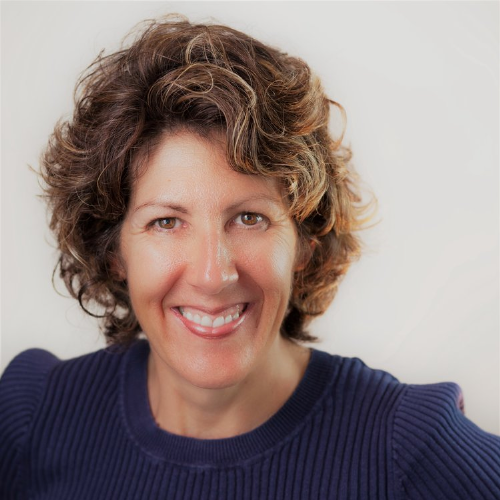
Meaghan Dowd is a seasoned insurance expert with a deep passion for risk management and proactive financial protection. She began her career in the insurance brokerage industry, focusing primarily on high-end coverage solutions before transitioning to HolistaPlan, where she plays a pivotal role in advancing insurance analysis software. Meaghan's career is distinguished by her commitment to elevating advisors' capabilities in insurance planning, having successfully leveraged her expertise to help advisors integrate comprehensive insurance reviews into their client service models.
Episode Summary:
Join Amy Irvine, CEO and founder of Rooted Planning Group, as she welcomes insurance specialist Meaghan Dowd to the Money Roots podcast for an enlightening discussion on the often-overlooked aspects of financial planning: protection products. In this episode, Amy and Meaghan explore the crucial role that home, auto, and liability insurance play in safeguarding one's assets and income. Meaghan shares her journey into the insurance industry, emphasizing the proactiveness of risk management and how crucial it is to have the right insurance policies in place to prevent financial disasters.
As the conversation unfolds, the focus shifts to the intricacies of insurance policies, from understanding the difference between replacement and actual cash value to recognizing the importance of stress-testing your insurance coverage. Meaghan outlines common oversights, such as disregarding liabilities attached to lifestyle choices, including pool installations, board memberships, and motorized vehicle ownership. The episode underscores how vital it is to maintain regular communication with your insurance agent and how choosing the right insurance partner can drastically affect the claims process and overall satisfaction. These insights promise to offer listeners practical guidance on ensuring they are adequately prepared for the unexpected.
Key Takeaways:
- Understanding the need for the right type of insurance coverage is essential for transferring risk and protecting both assets and income.
- Differences between replacement cost and actual cash value can significantly impact claim payouts and should be carefully considered in policy selection.
- Regularly reviewing and adjusting insurance policies to reflect lifestyle changes and potential liabilities can prevent inadequate coverage.
- The choice of insurance company plays a crucial role in the claims experience and can ultimately influence both financial and emotional outcomes.
- Engaging with your insurance agent annually can help align your coverage with any changes in your situation, providing peace of mind.
Notable Quotes:
- "Insurance is really planning ahead, where attorneys kind of wait for worst-case scenarios to happen."
- "It's not just can the insurance write the check for us, but it's can they support me mentally?"
- "You outgrow your coverages, and it might not be because you moved into a new home or bought a new car."
- "Insurance is not a maintenance program. It is here for those losses that would financially devastate you."
- "If you are a true collector and you love something, it's important to invest a little bit more so you don't feel that way after the loss."
Resources:
- HolistaPlan
- Rooted Planning Group - Website
Listeners are encouraged to tune into the full episode for an in-depth look at these critical insurance considerations and to stay tuned for more insightful discussions on the Money Roots podcast.
Transcript
Foreign.
Speaker B:This is Money Roots, the podcast where.
Speaker A:Amy Irvine and her team keep money.
Speaker B:Conversations real, relatable and rooted in your goals.
Speaker B:Let's grow together.
Speaker B:Hello Money Root listeners.
Speaker B:Amy Irvine, CEO and founder of Rooted Planning Group, here once again with Money Roots.
Speaker B:And today's topic is going to be around something that I think is often under underappreciated and overlooked when it comes financial planning.
Speaker B:And that is protection products like your home, auto, umbrella, jewelry, fine arts, those kinds of things, sometimes snowmobiles and boats and all the fun toys that we have.
Speaker B:And joining me today is Megan Dowd.
Speaker B:Right?
Speaker B:Did I say that right?
Speaker B:Megan?
Speaker B:Yeah.
Speaker B:Megan and I met several, I think it was about two years ago.
Speaker B:She was actually referred to us by somebody.
Speaker B:Megan was working for a brokerage insurance brokerage firm at that point in time, mostly at high end coverage.
Speaker B:And we were about to refer a client to her that we were working with.
Speaker B:And when we sent the introduction, we got a bounce back that said she was no longer with the firm that we were referring to.
Speaker B:And so we started looking around for her because we absolutely loved working with Megan.
Speaker B:So we started looking around for her and realized that she had jumped ship from working in the brokerage industry or profession and was now working for one of our software vendors that we already had a relationship with called List a Plan.
Speaker B:For those of you that have worked with us in the past, you know that we use that for both our tax analysis work or insurance analysis work and even some estate analysis work.
Speaker B:So I sent a note to Roger Pine, who is one of the founding founders of HolistaPlan, and said, hey, does Megan now work for you?
Speaker B:And he said, why yes.
Speaker B:Yes, she does.
Speaker B:And so we said, does that mean you're gonna have some brokerage options in the.
Speaker B:And he said, we're not sure.
Speaker B:But fortunately we were able to track her down.
Speaker B:And Megan and I have been working on some testing some software and some products within Holistaplan that we're super excited about.
Speaker B:But I asked her to be a guest because as I mentioned, when we're doing financial planning, people often are like, you're gonna look at our home and auto insurance too?
Speaker B:Well, you know, you've amassed all this wealth and one of your biggest assets is something that you live in.
Speaker B:Do you want to have it properly protected?
Speaker B:They just don't think of insurance that way.
Speaker B:So I asked her to sit in on a episode where we could talk about all that fun stuff.
Speaker B:So long introduction to say, Megan, welcome to the show.
Speaker B:We're so glad to have You.
Speaker A:I'm so excited to be here.
Speaker B:How did, before we get into the actual like, I guess meat and potatoes, how did you actually fall into this or decide to join this profession of insurance?
Speaker A:Yeah, so I, like most insurance professionals, did not go looking for it.
Speaker A:I started in college, but quickly realized while I was working in it, because I was potentially going to become an attorney like my family, that like insurance is really planning ahead where attorneys kind of wait for worst case scenarios to happen and then try and like figure out, well, why didn't this document align?
Speaker A:You know, I thought this was going to act like this.
Speaker A:And so I really fell in love with the proactiveness of risk management.
Speaker A:And then came the concept of like most people believe what the commercial say is, it's as easy a caveman can do it.
Speaker A:You should be able to do it in like 15 minutes or less.
Speaker A:And I really just became very passionate about debunking that, that it has so much more value, that it is complicated, it's not as easy as people think.
Speaker A:And it also stems from I was a really bad 16 year old driver and my parents almost got non renewed from an insurance carrier.
Speaker A:And I quickly learned that just because commercials say you can buy insurance on any corner, that's not the case.
Speaker A:And even if you can buy that insurance, it may not be the quality insurance that you need based on like the wealth you've accumulated or just the lifestyle you live, like you pointed out.
Speaker A:So there was a few different reasons I stayed in the profession, but actually getting into it was not by choice.
Speaker B:That was not the plan.
Speaker B:And then this opportunity came up with Holistaplan.
Speaker B:How did that shift happen?
Speaker B:And we're thrilled by the way that it did.
Speaker B:But how did that shift happen?
Speaker A:Yeah, so I actually started working with holistically and doing education because as we know, a lot of advisors don't do insurance planning today.
Speaker A:So that's one reason you're extra amazing and your clients are fortunate to work with someone like you because it is something that I think spectrum studies said less than 2% of advisors are doing.
Speaker A:But it's really one of the biggest disruptors to planning where, you know, we all kind of wait for the market to go down.
Speaker A:The news tells us the market's going down, but no one tells us our kid's gonna get in a car accident or our dog's gonna bite someone that walks in the door.
Speaker A:Those are all things that just happen.
Speaker A:And in the moment, that's when you realize PNC is more complicated.
Speaker A:So I left the broker Space because I didn't care about selling policies.
Speaker A:Like actually binding a policy never brought me the joy of evaluating a deck page and having a client tell me, Megan, this is what we do every day.
Speaker A:We again have a dog, we travel outside the U.S. and here's our coverages that we believe protect us.
Speaker A:And it was just like, oh my gosh, this doesn't protect anything.
Speaker A:Like it checks the boxes but it doesn't actually protect it covers.
Speaker A:And so when Holistic Plan offered me the opportunity to jo and work for them, it was kind of a no brainer because one, I love financial advisors.
Speaker A:I truly believe what you guys do makes such an impactful difference.
Speaker A:I only wanted to work with financial advisors and then I got to help educate and again, really have a mission outside of just selling a policy.
Speaker A:And then if clients needed me being able to execute on that.
Speaker A:So there's just a lot of joy.
Speaker A:And as you know, Roger, he's such a great individual and like his roots are just in allowing advisors to be better advisors.
Speaker A:And like that's just a mission I could totally get behind.
Speaker A:And so while I do miss the broker space sometimes, I really love the jump and what we've been able to create here at Holistaplan and super excited that I made that jump almost a year and a half ago now.
Speaker B:Well, we're thrilled that you made the jump and we're thrilled with where Holistaplan is helping us be better financial planners here at Rooted Planning Group because we used to do all that by hand.
Speaker B:Like I used to, you know, map out all that stuff by hand.
Speaker B:And you know, that's, that's a lot of work, right?
Speaker B:You've done that.
Speaker B:And we would sit there and we would.
Speaker B:I had a template that I used to use that was in a Google Doc, right?
Speaker B:So it was just a template that I would fill in and I'd go get all the information from the declaration pages and call the agents sometimes because some stuff is in the actual thick of the policy, not necessarily on the declaration pages.
Speaker B:And now we're thrilled that we can have some software that helps us with that analysis so that we're, we're even better at bringing up these concerns that we have to client.
Speaker B:Have to clients.
Speaker B:And I know before when you and I have talked and collaborated together and working with clients, some of the things that come.
Speaker B:Liability is always a big thing, right?
Speaker B:That's.
Speaker B:You started to touch base on that when you were first talking about the dogs and you know, people slipping and falling, car accidents.
Speaker B:That's the liability side.
Speaker B:Right.
Speaker B:So that's always something that people don't understand, the liability.
Speaker B:Anybody can sue anybody.
Speaker B:Like, whether or not they win is a different subject, but anybody can sue anybody.
Speaker B:And in fact, I'll tell you a really quick story and you can maybe even explain this.
Speaker B:My brother was in a car accident.
Speaker B:Gosh, it was probably five or six years ago now.
Speaker B:It was a bit about ago.
Speaker B:The car that T boned him ran a red light.
Speaker B:So my brother was.
Speaker B:And it.
Speaker B:It like spun his truck like 360 degrees around.
Speaker B:Like, you know, thankfully he was in a truck compared to the car that hit him.
Speaker B:But that's how fast the car was going.
Speaker B:Yeah, he went through.
Speaker B:It was green, they went through fully red.
Speaker B:Hit his vehicle, spun him around.
Speaker B:The people that were in the car sued my brother or tried to sue my brother.
Speaker B:Right.
Speaker B:So what's he do?
Speaker B:He calls me and he says, what do I do?
Speaker B:I'm like, call your insurance company.
Speaker B:Because number one, that wasn't your fault, and number two, the liability that you have, the coverage that you have, that's what that's for.
Speaker B:They'll defend you.
Speaker B:They aren't going to want to pay that out.
Speaker B:They'll look at the police report, they'll look at everything.
Speaker B:And so, because he's like, who do I hire for an attorney?
Speaker B:You don't hire anybody.
Speaker B:You call your insurance company and you let them know what's going on and they'll defend you.
Speaker B:That my brother didn't know that.
Speaker B:And to him, that was this huge relief because he thought he was going to have to go, you know, hire an attorney to defend him.
Speaker B:And that's just one little situation.
Speaker B:And it went nowhere, by the way, because once they got involved, looked at their police report and look at what happened, and they're like, you know, there's no liability on your part.
Speaker B:But.
Speaker B:But it still was stressful for him.
Speaker B:And that's the key, like right there.
Speaker B:That's the component that I start to hone in on with clients is a lot of people think, oh, if my house burns down or my car stolen.
Speaker B:But they don't dig into, you know, some of the nitty gritty of like, okay, well, what happens if this thing happens?
Speaker A:Right.
Speaker B:Where is my coverage?
Speaker B:And I know another big thing is I talk to a lot of people if they're on a city, like, septic system or something.
Speaker A:Oh, yeah, yeah.
Speaker B:Like city septic.
Speaker B:Oh, nonprofit is another big one.
Speaker B:Yeah, let's talk about that.
Speaker A:I do want to hit some points.
Speaker A:So just about liability that I think you knew nailed.
Speaker A:And like defense cost is such an underutilized understanding of liability, especially in those frivolous lawsuits.
Speaker A:I mean, attorneys are not cheap.
Speaker A:They add up quickly.
Speaker A:And again, what may not completely disrupt planning, it does freeze your clients for a moment.
Speaker A:It does change them from confidence to survival and make them start to again, unravel.
Speaker A:Have we talked about this?
Speaker A:Do I have the right coverages?
Speaker A:And then you also hit another point.
Speaker A:We don't stress test our insurance.
Speaker A:We stress test the market.
Speaker A:We make sure our portfolios are still there.
Speaker A:But rarely do we stress test, test.
Speaker A:What happened to your point?
Speaker A:What if this happens?
Speaker A:What if that happens?
Speaker A:And it's not just can the insurance write the check for us, but it's can they support me mentally?
Speaker A:Are they going to write the check quickly?
Speaker A:Are they going to write the check for the full amount of replacement cost or is it actual cash value up front?
Speaker A:So, like there's so much more that comes into it that obviously we'll get into in this call.
Speaker A:But I love that point about like actually stress testing your insurance.
Speaker B:Yeah, yeah.
Speaker B:So let's go back to the two things.
Speaker B:So stress.
Speaker B:I love that.
Speaker B:You're absolutely right.
Speaker B:Stress testing is, especially when you have an event like the insurance is backing up even further.
Speaker B:The purpose of insurance is to transfer the risk.
Speaker B:Right.
Speaker B:That is the purpose of insurance.
Speaker B:Like you might be able to afford it out of pocket, you know, but the purpose of insurance is to transfer the risk of you having to give up your money.
Speaker A:Yes.
Speaker B:To cover a certain event that's happened in your life.
Speaker B:So stress testing is really important.
Speaker B:And what are those stressors?
Speaker B:I started to talk about like the, the.
Speaker B:If you're.
Speaker B:One of the things I always look at is if you live in a city and you're hooked up to public waste removal, that sort of thing is do you have any kind of backup coverage?
Speaker B:Because you want to talk about being stressed.
Speaker B:Be in your house when your basement or your toilets or your drains are all backing up with sewage and you don't.
Speaker B:And it's, it's not something that was your fault.
Speaker B:It could have been down the line somewhere and you've got to deal with that.
Speaker B:And if you don't have backup coverage, you end up beating the cost of something like that a lot of the times.
Speaker B:And that's, that's stressful.
Speaker B:I mean, that's huge to have to deal with something like that.
Speaker A:It's a lot.
Speaker A:Yeah.
Speaker A:And again, it's.
Speaker A:Insurance is also, while most of us don't like paying our premiums when the worst day happens.
Speaker A:It does feel really good to hear someone on the other line say, you know what?
Speaker A:You have coverage for that.
Speaker A:We're going to help you take care of this.
Speaker A:Where if they don't have the coverage, it is a very hard phone call of, hey, this is going on in my life.
Speaker A:And the insurance one's like, nope, not on the coverage.
Speaker A:Call somebody else.
Speaker A:Click.
Speaker A:And then it's like, oh, my gosh, that's again.
Speaker B:Yeah, yeah.
Speaker A:And that really is the next question.
Speaker A:They don't know who to call.
Speaker A:Like, is it serve pro?
Speaker A:But can I afford Servpro to come out and spend $10,000 doing this?
Speaker A:Like, there's just so many what ifs that start to add up quickly and can often be avoided by stress testing as you grow.
Speaker B:Yeah, it's almost like disaster recovery planning.
Speaker B:Right.
Speaker B:It's.
Speaker B:It's like, what.
Speaker B:What could go wrong?
Speaker B:How would we react to it?
Speaker B:Because the more we practice it, the more it's like, okay, we've got this, you know.
Speaker B:Yes, we know exactly what to do.
Speaker B:Yeah.
Speaker B:And the other thing that you brought up that I just want to.
Speaker B:Because a lot of our clients are very actively involved in nonprofits, you started to bring that up.
Speaker B:Can you touch base about that just a little bit?
Speaker A:Yeah.
Speaker A:So I'll try and keep this short, but basically, when you sit on a nonprofit board of directors, most of those board of directors have their own insurance for that nonprofit.
Speaker A:However, the difference between nonprofit and like, your personal liability, like we were just discussing, is the defense cost is part of that limit.
Speaker A:So if you have a board of 10 people and I have a million dollars in coverage, that's not going to go as far as if I had a personal liability with million dollars in coverage, because defending some folks is going to add up quickly.
Speaker A:Now, caveat.
Speaker A:You can get defense cost outside of the limit, but that's not how most nonprofits work because it's a little more expensive.
Speaker A:And so the reality is, if that nonprofit insurance is exhausted, your personal assets can technically be on the line based on the state you're in for creditor accessible.
Speaker A:If again, you know, the example I give is we used to do a parade in the neighborhood I lived in, and unfortunately, someone passed away.
Speaker A:You know, and we did have some conversation around, well, did you guys have the appropriate ambulance where the roads blocked properly?
Speaker A:Did you have all this?
Speaker A:And it was just a neighborhood event, but quickly it became like, well, how much did you prepare?
Speaker A:Was there fault on us as the nonprofit?
Speaker A:And like, Again, just quickly showed me how vulnerable you can be even in a neighborhood association, and that the right coverage becomes appropriate.
Speaker A:Appropriate.
Speaker B:So the comment that you made, I mean, if people are going to volunteer on nonprofit boards, they should be asking those questions about what kind of coverage the nonprofit board and asking their agent what kind of coverage they have on their, you know, especially if they have a umbrella policy.
Speaker B:Like, how does this coordinate with protection?
Speaker B:Should.
Speaker B:Should I need it?
Speaker B:Hopefully.
Speaker B:I mean, you don't join a board thinking you're ever going to need it.
Speaker B:But no, just in case.
Speaker A:And it's not that expensive on insurance.
Speaker A:Like, you do have to have typically a $5 million umbrella, but you can add a million dollars for a couple hundred dollars a year.
Speaker A:And again, if, you know, giving back to the community is something you're passionate about, it stinks that there's not better laws out there to protect you.
Speaker A:But it is something to consider.
Speaker A:And we would have those conversations with clients, like, if you really believe in this mission, especially on those touchier, you know, nonprofit boards, there's some heat that can come.
Speaker B:So, yeah, so I got really excited, so I need to backtrack just a little bit.
Speaker B:But when you, you know, when you.
Speaker B:Because every state.
Speaker B:So I don't know if everybody knows this or not, but every state has their own insurance agency, say, or insurance department.
Speaker B:Right.
Speaker B:So what's in New York is different than what's in Florida, then it's different than what's in Texas.
Speaker B:And, and so there's certain, like, there's also certain minimums for every state.
Speaker B:Right.
Speaker B:So New York, I think is 50 or is it 25?
Speaker A:I don't know, New York, But I can tell you Florida's only property damage, like, they don't even require bodily injury damage.
Speaker B:Yeah, yeah.
Speaker A:Crazy.
Speaker B:I think it's like it's either 25 or 50 off the top of my head.
Speaker B:I can't remember right now for New York, but there, right there is a difference.
Speaker B:Right.
Speaker B:So New York has some certain minimums.
Speaker B:There are absolutely required where other states like Florida don't have those same minimums.
Speaker B:I think I shared with you the one time that my husband and I were talking about leaving a car in Florida.
Speaker B:We actually thought, okay, we'll register one down in Florida.
Speaker B:And I started looking at the insurance rates for down here.
Speaker B:I was like, oh, my gosh, we can actually now it is two days out of our, you know, travel, like four days in total to get to Florida from New York.
Speaker B:But when I looked at the cost of insurance for one vehicle in the state of Florida, it was more than what I was paying for three vehicles in the state of New York.
Speaker B:Because down here the limits are so low that there are so many people that are uninsured or underinsured that those of us that want to make sure we're protected pay out the nosy for it.
Speaker B:Not to mention the various areas of like, you know, the risk of various areas from one city or town in Florida, the rates are extremely different than other cities and towns.
Speaker B:This is very diverse, more so than I've seen in other states for clients that we work with.
Speaker B:But that's thing that's really critical for people to understand that you can just have insurance.
Speaker B:But let's talk a little bit about having the right kinds of parts of insurance.
Speaker A:Yes.
Speaker A:So, you know, one thing that I'll start with is you mentioned that obviously the price of auto insurance in Florida is not like the best, but the carrier selection also isn't like the greatest, you know, so like a lot of my clients in Florida would have to go to Progressive.
Speaker A:Again, not a bad company.
Speaker A:They'll pay their liability limits.
Speaker A:But when my clients drive in a brand new $80,000 BMW, I don't want them with Progressive.
Speaker A:I don't want aftermarket part at time of a loss.
Speaker A:And so like, it's not only about like the cost increase, but you do tend to compromise on coverages and experience where like in New York you can get coverage through Safeco or even Chubb, where they give you agreed value and they're just going to write the check for the total value and not deal with actual cash value.
Speaker A:So like a lot about insurance that people forget is again, hopefully you never have to use it, but if you have to use it, what are your expectations?
Speaker A:Are you okay?
Speaker A:Again, having actual cash value up front with a replacement check come second and collecting receipts along the way.
Speaker A:Or do you want them just to write you a full check for the replacement cost at time of total loss and you move on with life?
Speaker A:Like so again, I think price is something we all naturally gravitate to, but there's a lot that goes into a policy.
Speaker A:While one thing I saw people do every day when I was a broker is apples to apples coverage.
Speaker A:They'd be like, well, progressives only charging me, you know, $1,000 a year for the same coverages.
Speaker A:It's like, okay, let's rip, you know, deck pages off and let's look at the policy and here's why.
Speaker A:You're seeing a 40 or 50% increase with my company versus their company.
Speaker A:And it's the meat and the policy, which you kind of talked about earlier.
Speaker A:So that's the first thing outside of where we're going to go in this conversation that I really want people to understand is you can't just compare deck pages and assume if deck pages match, you're saving money.
Speaker A:And then again, money can't be your only decision maker.
Speaker A:I never want anyone to be insurance poor.
Speaker A:Like, that's the last place I want you to be.
Speaker A:Just like no one should be house poor, but you do need to be properly protected.
Speaker A:And so before I go into my lifestyle rant, and you know the importance of just like understanding if and how you're outgrowing, you know, your coverage is based on lifestyle.
Speaker A:Was there anything you kind of wanted to hit on in terms of the coverages?
Speaker B:Yeah, the one thing that I, I think is important for people to understand, and I always bring this up, is the difference between replacement versus actual.
Speaker B:You've mentioned that a couple of times.
Speaker B:And so maybe give a quick definition of what it means if you have replacement versus actual value and you can have both in different locations within the policy.
Speaker A:Correct?
Speaker A:Yeah.
Speaker A:So perfect example of that is the roof.
Speaker A:You know, some policies will offer replacement costs on the roof, which means even though my roof is 20 years old and has some wear and tear, I'm going to be able to get the full value from the insurance.
Speaker A:So if it's going to cost me $20,000 to replace my roof with replacement costs, I'm going to get that minus my deductible.
Speaker A:So if I carry a $2,500 deductible, I'll get 18,500 from the insurance company.
Speaker A:But if I have actual cash value for my roof, what they're going to say is, okay, Megan, your roof's 20 years old.
Speaker A:The life expectancy is 30 years old on this roof.
Speaker A:So we're only going to pay you out for 10% of the value of that roof.
Speaker A:So now you just went from having insurance cover a majority of your roof to them covering a very small, small portion.
Speaker A: versus the: Speaker B: he option of getting all but $: Speaker B:So that's a big swing Right there.
Speaker A:And that's where we see a lot of savings.
Speaker A:When people go to shop, you know, their current policy offers replacement costs and the new policies taking them to actual cash value.
Speaker A:And if Your roof's over 15 years old, it's going to be really hard to find a market.
Speaker A:In most states today they just, it's a different area.
Speaker A:And so it's actually more common to see that actual cash value or what we call like a payment scale, which is the same thing as depreciation on roofs.
Speaker A:And clients just aren't prepared for it until again the storm chaser comes knocks on the door, they call their insurance company like, no, you have a tube percent deductible or again, you have a, you know, payment schedule on your roof.
Speaker A:And so it is important for people to understand those dynamics are everywhere.
Speaker A:That's not a state specific issue.
Speaker B:And one of the places I see it besides roofs too is often contents 100%.
Speaker B:So contents are, you know, the, and, and I've never seen an auto policy that's actual or that's replacement value.
Speaker B:It's always actual value with honesty.
Speaker A:Yeah, autos are mostly actual cash value.
Speaker A:So again your standard riders, your high net wor companies, your peers, your Cincinnati's, your chubb, they actually offer agreed value.
Speaker A:So when you buy your policy, the insurance company and the client agree on the value of their car.
Speaker A:And there's other companies that do this, but that means at time of loss, if Your value is $27,000, they just write you that check and you move on.
Speaker A:There's not that back and forth.
Speaker A:So there is, it's not replacement because you are correct.
Speaker A:True replacement cost is not in the auto market, but there is agreed value available for certain costs.
Speaker B:Those two terms I think are important for people to understand in their policy and ask questions if it's not listed so that they understand again what they're on the hook for versus when you talk about that stress test, what they're on the hook for versus what the insurance company would assume for the risk that's being transferred.
Speaker B:So thank you for taking the time to explain that.
Speaker A:Of course.
Speaker B:So you were going down another path before I paused you and asked to talk about actual versus replacement.
Speaker B:What are some of the other areas that you really want people to be aware of?
Speaker B:That's really important.
Speaker A:Yeah.
Speaker A:So you know, I think again the mentality behind insurance is, well, I bought it when I bought my house or I bought it when I bought my first car.
Speaker A:And so I just set it and forget it and you know, Insurance covers everything, so I don't have to worry about it.
Speaker A:And as we've already discussed, insurance covers very little.
Speaker A:Insurance is a very badly written contract that is not usually on that side of the consumer.
Speaker A:It is pretty black and white and what is and isn't covered.
Speaker A:But the reality is, is you outgrow your coverages.
Speaker A:And it might not be because you moved into this new home or because you bought a new car.
Speaker A:It could be because you decided to buy an E bike for your house and now you're going to let guests ride that E bike.
Speaker A:But E bikes are excluded on most homeowners policies because they're motorized vehicles.
Speaker A:So like, you don't have to live a grand life to outgrow coverages.
Speaker A:And so those are the things that I often see our lifestyle decisions.
Speaker A:Maybe you again are a renter, but you travel outside the US and so you actually need liability when you're not in the U.S. or when your personal property is not in the U.S. so you go from again, being able to get any insurance to a pretty niche market of again, you know, a Cincinnati, a safe code that understands you go outside and you need that liability to follow you.
Speaker A:Trampolines and pools are another big thing that we see exclusions on.
Speaker A:And again, maybe when you bought your house, you didn't have the above ground pour the in ground pool or you didn't have that trampoline.
Speaker A:But five years later you have a few kids, you want to, you know, have that vacuum yard oasis.
Speaker A:And so not only do you maybe have exclusions for those things, but is the coverage aligned if you.
Speaker A:I remember showing up to one of my aunt uncle's houses and they had just installed a gorgeous in ground pool.
Speaker A:They never called me once and I was like, your other structures coverage is way less than this pool you just put in.
Speaker A:And so like they're like, oh my gosh, we didn't even think about that.
Speaker A:So there's also things outside of liability that when you have a passion project in your home and you're putting time and energy into it, that it is important to take that step back and be like, well, shoot, I shouldn't just assume this is covered.
Speaker A:And understanding again, that little choices have big impacts on insurance outside of just your liability and dwelling coverages.
Speaker B:And I do think it's important for people to understand the pool is a big deal.
Speaker B:Like an attractive nuisance is what, you know, the, I guess insurance terminology is.
Speaker B:But that is a really big deal.
Speaker B:And having it properly secured is a, you know it.
Speaker B:You just don't think a lot of those things.
Speaker B:You're thinking, oh, I'm excited, we're going to put in a pool.
Speaker B:Okay, well, how do you make sure that you're protecting your family from others or, you know, their friends from being injured and then turning around and turn and making this exciting thing in your life and your family's life potentially into a huge nightmare?
Speaker B:Because a lot of people, Megan, think that, you know, this is asset protection, which it is, but it's also income protection.
Speaker A:Yeah.
Speaker A:And it's reputation protection.
Speaker A:Like you don't want people to go around saying again, XYZ put in this big pool and has all this money and now my kids injured, but they don't have enough money to cover their medical.
Speaker A:And now as the wife, I have to take care of my, you know, injured kid.
Speaker A:Like it just as a person, if you're having people at your house, you most likely want to be able to take care of them.
Speaker A:And you know, the other thing I see with pools is one, they're super cheap to add to insurance.
Speaker A:So it's not like they're going to double your rate.
Speaker A:It's a couple dollars a year.
Speaker A:It's just more of, did you tell the insurance company it was there?
Speaker A:Because if you did, you're probably fine and you're covered.
Speaker A:But if you didn't, that's where the issue comes in.
Speaker A:And then the other thing I see with pools is again, the first year they did it, they have the fencing, they're good to go.
Speaker A:But a few years online they add the slide or they add the diving board and those are the exclusions in the policy.
Speaker A:So again, as you start to just add little things, because Johnny asked for diving board because he wants to do cannonballs, it's like, like that's a great Christmas present or whatever.
Speaker A:But then it turns into this unknown exclusion on the policy that again, to your point, it's not just about asset protection.
Speaker A:It's about putting your friends and community back together if you were again, just accidentally at fault.
Speaker A:Nobody intends to have people get hurt.
Speaker A:It's just what happens.
Speaker B:Right.
Speaker B:And ATVs have gotten to be a big deal.
Speaker B:A lot of people are forgetting to mention that when their policies are up for renewal.
Speaker B:And there's a lot of liability that can go in the lines, especially of these really high end side by sides that are out there and people just don't have the.
Speaker B:I've seen that time and time again where there's, you know, I'm not required to have insurance, like, well, you're not required, but you might want to have it.
Speaker A:Yeah.
Speaker A:Or they're like, well, it's maintained.
Speaker A:Use my property, so I have liability coverage.
Speaker A:But then again they take it to the neighbor's house or just like the wrong thing happens.
Speaker A:And the biggest thing I see with ATVs is not only do they rarely have coverage, but if they do, they don't go through the same carrier as like the home, auto and umbrella.
Speaker A:And so they get linked, left off the umbrella.
Speaker A:And if they're not listed on the umbrella, then the umbrella doesn't respond.
Speaker A:And again, $20 more a year would have given your clients or yourselves extra million dollars.
Speaker A:So it's also just making sure that if you do have that umbrella coverage, that everything is listed.
Speaker A:Otherwise, again, you're kind of only half protecting yourself.
Speaker B:What are some of the biggest mistakes that you've seen over the years when, you know, I want to say, like the horror stories, which I think are helpful for people to learn from, where the right coverages maybe weren't there and could have been, or maybe the right coverages were there and therefore it protected them.
Speaker A:Yeah.
Speaker A:So I have lots and lots.
Speaker A:I think one I'll start with again and just about how the right insurance company can make a difference.
Speaker A:I had a client that was selling their home.
Speaker A:We had a hailstorm come through St. Louis.
Speaker A: ry old roof made in the early: Speaker A:And again, they were in the process of selling their house.
Speaker A:But when the inspection came for the sale of the home, they're like, the roof's damage.
Speaker A:And this buyers didn't want to buy it unless the client replaced the roof.
Speaker A:Well, the client was able to call one of our insurance companies.
Speaker A:Not only did they write the full replacement cost upfront for that roof, they allowed them to put it in escrow because Ludwigi tiles have to be made.
Speaker A:And so the buyer was actually going to be the one that had to do that process.
Speaker A:And the insurance company allowed that.
Speaker A:So now that person was able to sell their home.
Speaker A:It didn't stop them from moving and going on with life because.
Speaker A:Because they did invest in the right insurance company and they did spend more than the, you know, everyday market price.
Speaker A:But that allowed them to continue on with life with again, we had to fight a little bit with the insurance company to get them to, like, put it into escrow because that isn't totally a common thing that happens.
Speaker A:But they honored their contract.
Speaker A:The contract said they would Pay upfront, you know, whatever that was.
Speaker A:And so I think that's one of the feel good stories.
Speaker A:I have another like good story and then I'll get into the scary stories is the importance of the right partner.
Speaker A:So I had a client, I've kind of two of these stories.
Speaker A:Well, I'll start with this.
Speaker A:I had a client who had a young driver and he unfortunately had had some incidences whether speeding or accidents and decided to take the parents nicer car out and unfortunately got into another accident.
Speaker A:And so dad called me and was like hey, you know, it's one of our nicer cars.
Speaker A:It's probably about 40, $50,000 in damage.
Speaker A:But again I know Johnny's had a few things happen like what does this mean for my portfolio?
Speaker A:And we did some rough math on like hey, if you file the claim you're going to see a surcharge on top of the other surcharges.
Speaker A:But really mattered for him was his insurability.
Speaker A:He most likely would have been non renewed had we filed that claim.
Speaker A:And then he wouldn't have been able to keep his 15 million umbrella.
Speaker A:They would have gone to a lesser insurance company.
Speaker A:And so again, not that everyone has that kind of money available, but if you do, it's important that you're partnered with the right insurance professional to have those conversations so you don't leave yourself in a bad situation.
Speaker A:Because I did have a prospect come to me one time that again was high net worth.
Speaker A:They had a small boating accident, he ran his boat into a dock and again not a lot, but he called Progressive, Progressive wrote him a $3,500 property damage check and then he got non renewed from his umbrella because he was 70 years old and had an accident.
Speaker A:And again those are things that had he called his advisor or his insurance professional at the time, talked to them about $3,500 in damages, they could have been proactive and he wouldn't have been stuck.
Speaker A:Again, the max umbrella he could get was $2 million.
Speaker A:He couldn't get like the right liability in certain states.
Speaker A:So especially for older clients, specifically over the age of 70, it becomes very difficult to get auto and maintain auto insurance once you've had one of those accidents.
Speaker A:So I would say those are kind of like the feel ish good stories.
Speaker A:Another one I had was a family that was close to retirement and they had their home paid off and the home burned down.
Speaker A:But they didn't have enough replacement cost on their policy.
Speaker A:So the homeowners covered a majority of the replacement costs.
Speaker A:But then they actually had to get a loan to finish the home and finish the actual rebuild.
Speaker A:So someone that had worked so hard and hit that really American dream of no mortgage now had to go back and pay on a small mortgage because they didn't have the proper replacement cost.
Speaker A:And so I think that to me, just hit home because I can't wait to retire.
Speaker A:And like, having like hit that milestone and then having everything undone all because again, someone insured the home for market value and not replacement cost.
Speaker A:And consumers just don't know differently was really an unfortunate situation.
Speaker B:Yeah, that's a good point that you bring up because I've seen on a lot of policies where it lifts this a coverage value and people are like, oh, it would never cause like, I can buy a new house for that.
Speaker B:I'm like, yes, but this is rebuild versus actual, like go buy a new house.
Speaker B:Right.
Speaker B:And so when you're looking at the cost of labor, when you're looking at the cost of materials, that's how they're putting that number on the policy and trying to explain to people that it's more expensive to build a house from scratch than it is to just go buy another house.
Speaker B:House.
Speaker B:Yeah, that's a really good point.
Speaker A:And a lot of times, depending on the state you're in, the market value includes land.
Speaker A:And land can be really expensive in some areas and actually end up over insuring you.
Speaker A:Or again, you could find yourself underinsured because the home's actually a lot bigger than the plot of land it sits on.
Speaker A:And so I think that's again, some of the biggest issues where unfortunately, when people buy homeowners, it's with the mortgage lender and it's their friend, and they're just trying to get the mortgage closed and we just need to cover the mortgage number.
Speaker A:So if they gets across that desk, but they end up exposing themselves because again, the true replacement cost, and again, this is where maybe you get a good deal in the market.
Speaker A:But your home has crown molding, it has, you know, hardwood floors throughout.
Speaker A:It has the nicer stuff.
Speaker A:And just because you got a bargain on the purchase doesn't mean that if there's a fire today and you want to rebuild to the standard and what you fell in love with, that you'd really have that ability to.
Speaker A:Based on replacement.
Speaker B:Yeah, and that that's also something that people need to look at from a contents perspective too.
Speaker B:And one thing that, you know, we always ask people is, do you have any artwork?
Speaker B:Do you have any jewelry?
Speaker B:Do you have anything?
Speaker B:Because they Just assume that it's a contents of my home.
Speaker B:It's going to be replaced.
Speaker B:But for those things, they're not replaceable really.
Speaker B:I mean they're not, you know, artwork especially doesn't.
Speaker B:You generally can't go out and get that same piece of artwork that you've just lost in a fire.
Speaker A:Yeah but that's a great point.
Speaker A:You know, maybe that art piece had smoke dam.
Speaker A:The right insurance company offers restoration so they'll send it to Italy.
Speaker A:They'll have someone that has practiced under Picasso and knows all those things.
Speaker A:At least be able to restore it where if you're with the wrong company.
Speaker A:But nope, it's a total loss.
Speaker A:Thank you so much.
Speaker A:They're going to write you a small check.
Speaker A:So like to your point, if you are a true collector and you love something, even cars like that's why Hagerty is so amazing with classic cars because they let the people keep them.
Speaker A:You can add an endorsement or even if it's a total loss house, you can have that car back and restart the project.
Speaker A:Because they know that a classic heart they don't want to get rid of that.
Speaker A:The value is in the car regardless of potentially the accident or something.
Speaker B:Yeah then.
Speaker B:And also the emotional component like you know, like that's usually why people have some of those kinds of things.
Speaker B:There's an emotional component and but that's.
Speaker A:A great point too of like if you're not going to replace them.
Speaker A:I would always tell clients it's like maybe grandma gave you a nice pendant and again, again it's worth a couple thousand dollars.
Speaker A:But if it got lost, you're not gonna go buy a new pendant today, you know to wear.
Speaker A:Then don't insure it.
Speaker A:Like you know to your point earlier, the idea of insurance is a transfer of risk.
Speaker A:So if you're comfortable with that risk and self insuring it then that's okay.
Speaker A:You don't have to take everything to insurance.
Speaker A:But if it's your engagement wedding band that you wear every day and you would feel naked without it for one day and you'd want that check within 48 hours, then you should schedule it and you should invest a little bit more so you don't, you know, feel that way after the loss.
Speaker B:This is such an amazing.
Speaker B:I feel like we could talk for hours and hours and hours about this sort of stuff.
Speaker B:If, if you could give I don't know, two or three like high level.
Speaker B:Like do like I'm reviewing your, you know, you're thinking about reviewing your policies two or Three high level, like do these things.
Speaker B:And I'm putting on the spot here, so I apologize.
Speaker B:What would, what were some of those things be?
Speaker A:Yeah, so I'll try and keep them in there.
Speaker A:I think the first thing is the deductible.
Speaker A:You know, a lot of people forget that you pay your premium every year.
Speaker A:You very rarely write a deductible.
Speaker A:And a lot of times a deductible is just taken out of the total check.
Speaker A:So it's like you actually have to come up with it.
Speaker A:You just have to pay that difference to the contractor person doing the work.
Speaker A:But the amount of thousand dollar deductibles that I see come through holistically and system is jaw dropping to me.
Speaker A:Like, there should not be anyone really in today's world that's carrying less than a 2,500 doll deductible on their home, regardless of the size of their home.
Speaker A:And Again, I know $2,500 is a lot of money as well, but insurance is not a maintenance program.
Speaker A:It is here for those losses that you financially would devastate you.
Speaker A:And so again, you should be willing as a homeowner to take on around $2,500.
Speaker A:So I think that's the biggest thing is just aligning like your risk tolerance, what your liquidity is like what you feel comfortable writing a check for on a Wednesday afternoon when there's water coming in your basement.
Speaker A:Like, and that varies for everyone.
Speaker A:And that's why advisors are the right partner for clients in this conversation.
Speaker A:You know, their liquidity, you understand how quickly they can write those checks.
Speaker A:So I would say deductible is a big thing that in both auto and homeowners I see time and time again where people just haven't realigned to that risk tolerance.
Speaker A:Throughout today, obviously replacement costs, we've talked about this time and time again.
Speaker A:But it can make such a big impact at time of plan, whether it's contents or your home.
Speaker A:And it is something that insurance people can easily change.
Speaker A:Check for you.
Speaker A:You know, you don't have to go totally out to market.
Speaker A:You can call your current insurance agent and tell them about the updates you did.
Speaker A:Hey, we redid our kitchen.
Speaker A:Hey, we've added this, we've done that.
Speaker A:Maybe there's discounts for some of the things you've done, but I really think aligning there is important.
Speaker A:And then this isn't an easy one to do.
Speaker A:But it is important to think about how you'd want to experience a claim.
Speaker A:And if investing in a financially stable insurance company is worth that investment.
Speaker A:And that if you are okay with a three week claims process a lot paperwork, then save a couple hundred dollars a year and go with that, you know, mass affluent insurance company.
Speaker A:But if you're a busy individual running kids to practice, working day in and day out and you don't have that time, it might be worth spending the extra 500 or $1,000 a year on insurance so you can have that claim experience you want.
Speaker A:And I think again that's something that most of us don't think about because we don't experience claims all the time.
Speaker A:But I can tell you it makes the biggest emotional and financial impact on people when they are like I may, I'm not a name brand person, I'm okay with again off brand things.
Speaker A:But if you go to their home, it's only name brand things and it's only, you know, nicer things.
Speaker A:And so I used to joke with like if you buy off brand cereal, that's not the same thing as buying off brand insurance.
Speaker A:Like it really difference in like the entire package.
Speaker A:And so I won't go on a huge rant there, but those are like the three things that I used to always talk to people about.
Speaker A:And again, just understanding of if you're comfortable with these, if you're comfortable with the deductible, if you're comfortable with the replacement cost potentially under insurance and then if you're comfortable with that experience or financial rating really end up making I think in my opinion some of the larger impacts.
Speaker A:And then the last thing will just be lifestyle.
Speaker A:I can't hit on that enough.
Speaker A:Is that like don't shop your insurance every year.
Speaker A:I don't think that's healthy.
Speaker A:You should check in with your insurance agent every year, tell them what you're doing, ask them if any of the things you're doing have an exclusion in your policy.
Speaker A:You don't have to read your policy, but I do think you should engage with your, your insurance professional at least once a year.
Speaker A:Tell them what you're doing to make sure you haven't outgrown any of the coverages that can be simply updated.
Speaker B:Yeah, that's a really good point because little things change in life, right?
Speaker B:I mean that, that's something like you said, you might add on a pool or maybe you install the security system and that might give you some discounts or something like that.
Speaker A:Yeah, water shut off valve, right, Exactly.
Speaker B:Those kinds of things.
Speaker B:The investments that you're making, you should let them know that you've made those kinds of Investments or, you know, if you just went through a major renovation in your home, you should let them know that's, you know, something that's been updated and especially happens.
Speaker A:That's.
Speaker A:We all go on that.
Speaker A:But definitely, if you're going to do renovations in your house, contact your insurance company.
Speaker A:A lot of policies will have a 5% construction deductible if you don't notify them ahead of time.
Speaker B:That's a really good tip right there.
Speaker B:Before you actually go through the renovation.
Speaker B:Not after, but before.
Speaker A:Correct.
Speaker B:One other thing that I just wanted to bring up.
Speaker B:Again, this is an example of.
Speaker B:It was a situation that happened to Brent and I a couple years ago in the parking lot.
Speaker B:We.
Speaker B:It was one of those big red blood buses, you know, pulled in and actually swiped the back of my vehicle and did a little bit of damage.
Speaker B:And so we called the insurance company and they said to us, you don't want to file a claim.
Speaker B:You want, you know, my, my husband was actually driving the car.
Speaker B:I was at home and he called me and said, wait, why do I say, well, first of all, probably call the cops because, you know, there was an accident.
Speaker B:And secondly, call the insurance agency because they're going to tell us what we need to do.
Speaker B:And the insurance agency said, get all of the insurance for the big red bus because you don't want to actually file the claim.
Speaker B:You would be the one responsible for the deductible.
Speaker B:You.
Speaker B:It would count against your file.
Speaker B:Even though, you know it's the.
Speaker B:The report needs to be the vehicle, it needs to be the other insurance company.
Speaker B:I will say for from our perspective, it was frustrating dealing with somebody else's insurance company.
Speaker A:Yeah, for sure.
Speaker B:We were very frustrated by that process us, but it was a big repair that needed to be made and so we had to work through it.
Speaker B:When I heard who the insurance company was for the big Red boss, I was like, oh, this is going to be a nightmare.
Speaker B:And held true.
Speaker B:So when you go to that like experience component, it is important to ask about experience and to do the research on experience and to look at the rating.
Speaker B:Like, what's the financial wherewithal of these companies?
Speaker B:How stable are they?
Speaker B:And am best is one of the places that I go to look at some of those ratings.
Speaker B:Is there any other place that you would suggest that people go to Demo.
Speaker A:Tech is another good rating platform.
Speaker A:They do a lot of the Florida and different companies.
Speaker A:And just to chime in real quick on your experience, you did not have to go through the big red buses insurance.
Speaker A:You could have gone through your insurance company.
Speaker A:What they didn't explain to you was you would be responsible for your deductible and then they would subrogate back to the big red buses insurance, but handle a lot of that, like back and forth.
Speaker A:And then once segregation is successful, they then give you your deductible back.
Speaker A:But to your point, a lot of insurance companies just want you to do the work.
Speaker A:They don't want to deal with the subrogation.
Speaker A:So they're like, they scare people away by saying, oh, you're gonna have to pay your deductible.
Speaker A:And then you're like, I don't want to pay a thousand dollars.
Speaker A:But then to your point, but I also didn't want to do the legwork.
Speaker A:So forking out $1,000 to transfer the leg work to then get it back might have been like a better process.
Speaker A:But again, that just goes back to that right.
Speaker A:Broker conversation and making sure, you know, and I'll end on this, you pay your brokers 15% every year of your commission, maybe a little less.
Speaker A:Maybe they get like 8% of like the premium, but you pay them.
Speaker A:So make sure you are working with an insurance professional you like and you can rely on because they do again, make a living off it and they should be there to help guide you in these situation.
Speaker A:And again, the 1, 800 numbers, they don't have bedside service.
Speaker A:They're not there to help you make decisions.
Speaker A:They're there to process claims.
Speaker A:And so I'm sorry you went through that process.
Speaker A:But yeah, there's.
Speaker B:Wait till I tell my husband he's going to have fit because he did most of the leg work and it was not like joyful intake.
Speaker A:And that was a car damage.
Speaker A:There was no bodily injury, you know, or anything else that.
Speaker A:Yeah, so, yeah, it's.
Speaker B:It's just that it was a big.
Speaker B:I mean it was like a four or $5,000 car damage.
Speaker B:So we didn't want.
Speaker B:Of the way it sounded to us, there was no mention of getting our deductible back.
Speaker B:And I was like, well, I'll pay $1,000 for something I wasn't responsible for.
Speaker B:You know, I mean, we have like, you know, you.
Speaker B:We actually have a higher deductible than that.
Speaker B: So it was actually more like: Speaker B:But it's not like I didn't.
Speaker B:I always have our deductible set aside an emergency fund, but I didn't want to pay it.
Speaker B:Right.
Speaker A:So.
Speaker B:But that's very interesting.
Speaker B:I'm going to share that with him.
Speaker B:In just a few minutes.
Speaker B:So.
Speaker B:Well, Megan, thank you so much for being on the show today and being a guest.
Speaker B:And, you know, I think we could continue doing this for hours and hours and hours.
Speaker B:But the good news is, if you're a client of Rooted Planning Group, we have access to Megan so we can ask questions when it comes to some of the stuff that when we're reviewing policies, the output that we're producing from the software that Megan is part of helping advance the communications between us and clients.
Speaker B:We're just thrilled to be working with such a great partner and thrilled, Megan, that you're there helping us become an even better product to help us have better service to our clients.
Speaker B:So thank you so, so much for being on the show and we really appreciate your time today and your expertise.
Speaker B:So thank you, everyone, for listening.
Speaker B:Please share this with your friends and family members.
Speaker B:This is a really important topic.
Speaker B:Next week, I'm actually going to be talking about a checklist that we're going to provide to clients and walking down through some of these things.
Speaker B:So if you're not a client, you can at least be thinking about certain things and talking to your agent about them.
Speaker B:But again, we hope that you've enjoyed the show and the time with us.
Speaker B:Thanks so much, Megan.
Speaker A:Thank you so much.
Speaker B:Thanks for listening to Money Roots.
Speaker B:Until next time, keep your finances grounded and your future, future growing.